

Among Trabzon's natural treasures , Çal Cave is one of the most remarkable natural formations in the Black Sea Region. The mountainous terrain, climate with heavy rainfall, and abundant underground water resources have resulted in the formation of numerous karst formations in the area. Çal Cave is a large cave system formed by the erosion of limestone layers by underground water. Its natural structure, cave galleries, and the water system flowing through it attract both nature enthusiasts and visitors wishing to explore the region.
For visitors wishing to closely observe Trabzon's natural landscape, the cave is an important stop. The mountainous topography and high rainfall of the Black Sea region have increased underground water movement, contributing to the formation of these natural structures. Therefore, Çal Cave is not only a tourist attraction but also an important natural area that provides insight intoTrabzon's geographical features . Visitors to the region can explore the surrounding natural areas along with their cave tour, giving them the opportunity to see many of Trabzon's most prominent tourist destinations .
Where is Çal Cave located and how was it formed?
Çal Cave is located in Düzköy district of Trabzon province, approximately 1,295 meters above sea level. The cave is about 26 kilometers from Trabzon city center. Considering Trabzon's geographical features, the rugged and limestone-rich structure of the Eastern Black Sea Mountains provides extremely favorable conditions for the formation of such caves.
The cave was formed by a karst formation process. Caves of this type, formed by the erosion of limestone rocks over hundreds of thousands of years by acidic rainwater and groundwater, are called karst caves. In the specific case of Çal Cave, this process was accelerated by the region's humid climate and abundant rainfall. The dissolution and transport of limestone by groundwater shaped the cave's internal structure, creating the corridors, galleries, and underground stream we see today.
Although the cave's formation process dates back millions of years, its scientific discovery and research are much more recent. Systematic research began in 1986, all sections of the cave were mapped, and plans were made to open it to tourism.
What is the ranking of Çal Cave in the world and what are its features?
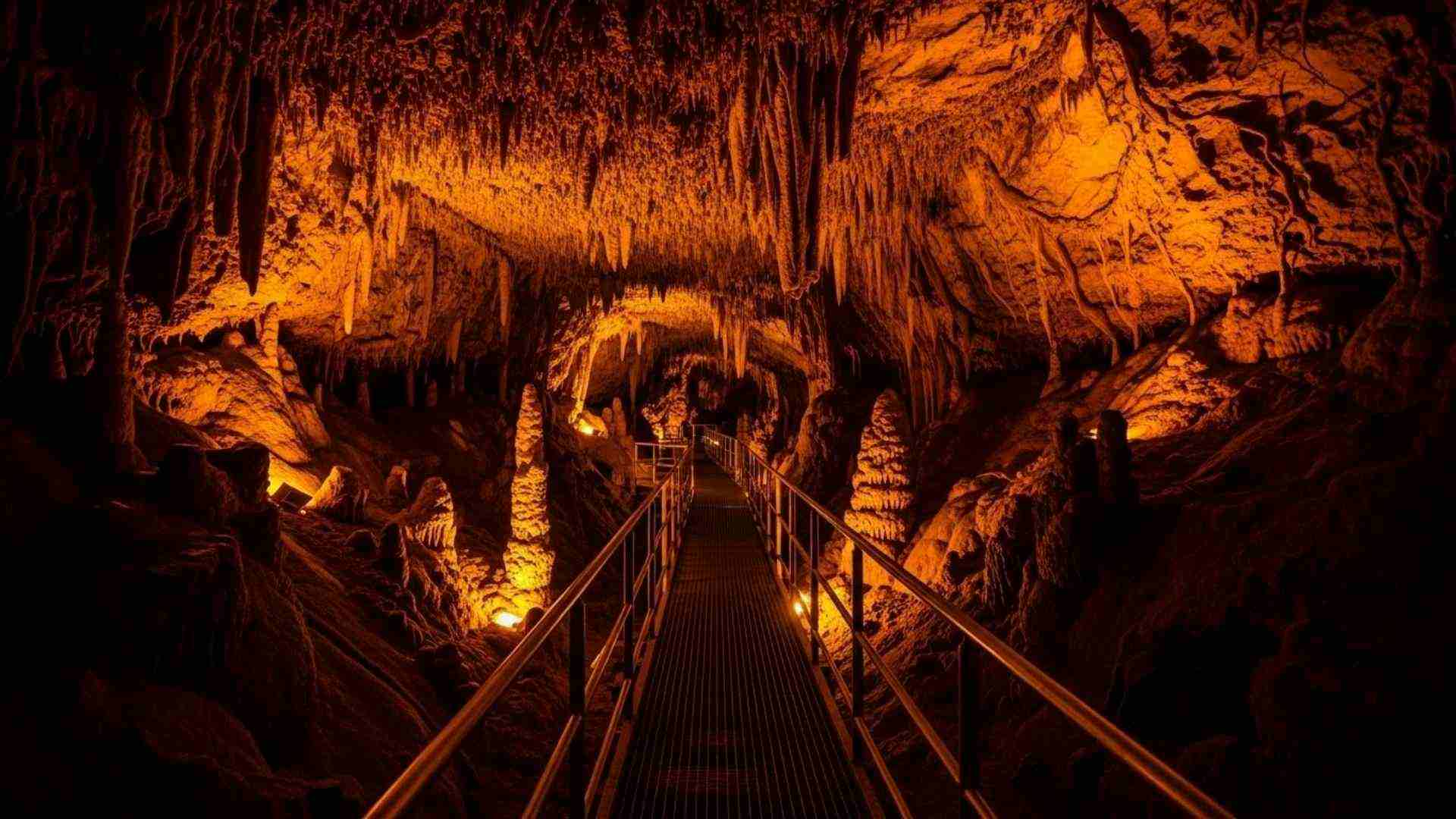
Çal Cave, with its galleries exceeding 15 kilometers in total length, holds the title of Türkiye's longest cave. It ranks among the top 100 longest caves in the world. This feature makes the cave an important geological heritage site not only nationally but also internationally.
The section open to tourism covers approximately 1,200 meters of the cave's total length. Within this area, visitors can closely observe the cave's most remarkable formations along an illuminated walking path. The cave's internal temperature remains constant throughout the year, ranging between 9 and 11 degrees Celsius; therefore, visitors are advised to bring an extra layer of light clothing during the summer months.
The main known features of the cave can be listed as follows:
- The total length of the galleries is over 15 kilometers, and not all sections have been explored yet.
- An active underground stream flows inside the cave.
- Thousands of years old stalactite and stalagmite formations adorn the interior.
- Numerous halls, corridors, and galleries are interconnected.
- The cave is home to various bat species, including endemic ones.
Çal Cave continues to host active research in the field of speleology (the science of speleology). The as-yet-unexplored parts of the cave continue to attract the attention of scientists.
What's Inside? Underground Stream, Stalactites and Stalagmites
One of the greatest attractions of Çal Cave is the underground stream that flows continuously throughout the cave. This water source, known as Çal Stream, passes through the lower levels of the cave and feeds the region's water resources. The sound and sight of the stream accompany visitors along the walking route.
The most impressive elements of the cave are the stalactites and stalagmites. Stalactites are natural structures formed by the accumulation of calcium carbonate, extending downwards from the ceiling. Stalagmites, on the other hand, grow upwards from the ground. The points where these two formations meet are called columns. Çal Cave contains tens of thousands of stalactites and stalagmites; some are only a few centimeters long, while others reach several meters. Each of these structures, formed over thousands of years, is extremely fragile, and touching them is strictly forbidden.
Other geological formations that can be observed inside the cave include:
- Helectite: Thin, curved calcite formations growing in various directions.
- Fluviokarst remnants: Rocky surfaces shaped by water erosion.
- Cave pearls: Round balls of calcite formed by swirling water depositing them.
- Terrace pools: Stepped calcite terraces that form along the edges of water bodies.
All these formations are visually highlighted by the lighting system. The cave interior lighting is arranged in different color tones to enrich the visitor experience. Ground improvements have been made along the walking path, and railings and steps have been added to ensure safe progress.
The bat colonies living in the cave play a critical role in the ecosystem. Visitors should keep their voices low and be careful when using lighting equipment to avoid harming these animals.
Places to visit around Çal Cave
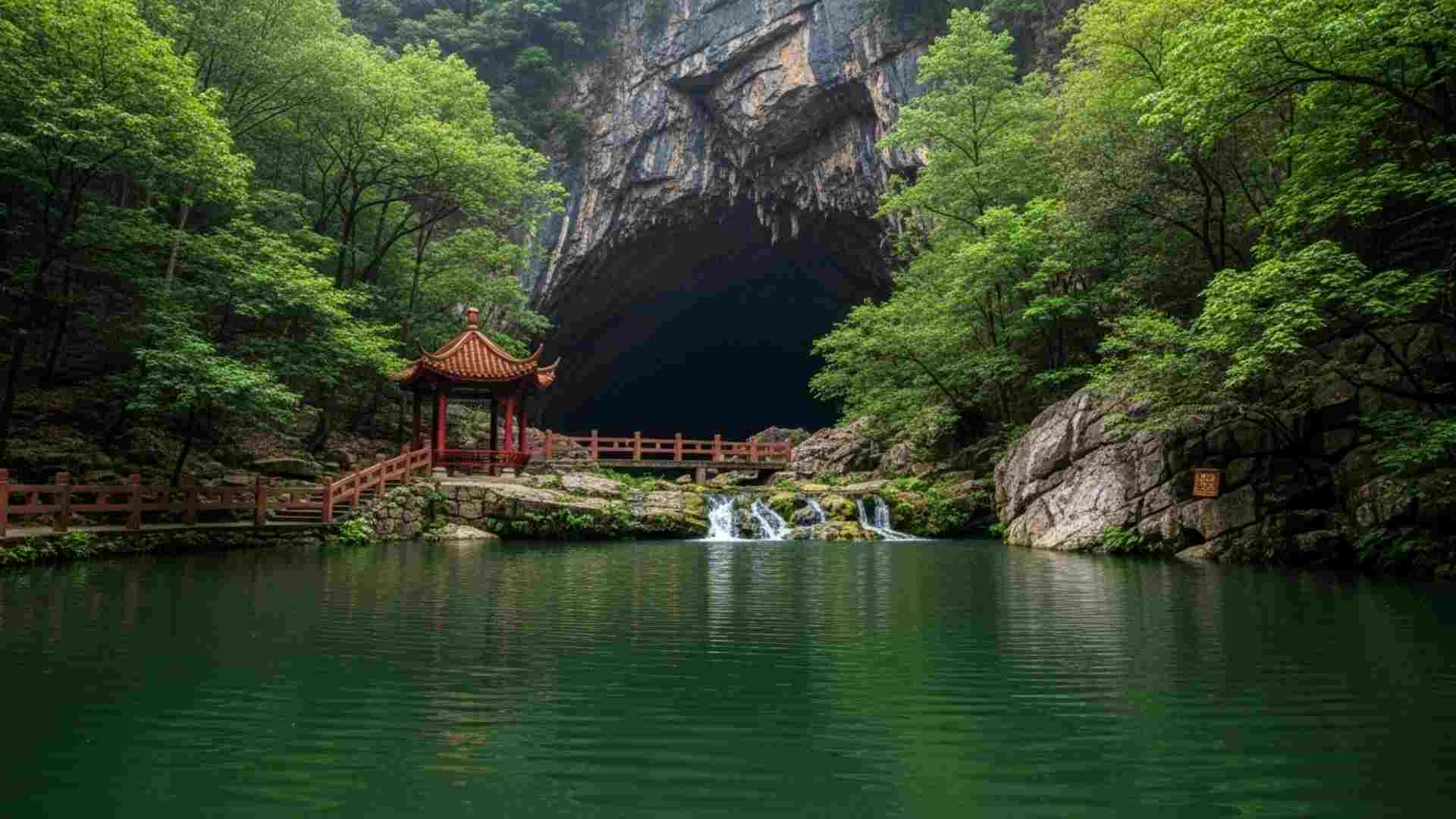
Çal Cave is not just a natural formation visited in isolation. It is surrounded by many natural beauties and tourist attractions. The unique nature of the Black Sea region is also reflected in the area surrounding the cave. Therefore, visitors to the region have the opportunity to explore various other natural areas.
The plateaus of Trabzon are among the most remarkable natural areas in this region. Haçka Plateau and the surrounding high-altitude areas are particularly suitable for nature walks. These areas, where various shades of green can be seen, are one of the finest examples of Black Sea nature.
Visitors to the region can also see natural formations such as Sera Lake. Considering Trabzon's natural beauty, the city has numerous tourist attractions. Therefore, a visit to Çal Cave is usually considered part of a larger travel plan. From this perspective, the area around the cave holds an important place on the list of places to visit in Trabzon.
The area surrounding the cave offers a rich setting for photography. The mountainous landscapes, forests, and clean air of the Black Sea region create a truly impressive atmosphere for nature lovers.
How to get to Çal Cave? Transportation Guide from Trabzon City Center.
Çal Cave is quite easy to reach. You can access the cave from Trabzon city center by taking the road towards Düzköy. The journey from the city center takes approximately one hour. The trip offers pleasant views of the Black Sea's natural landscapes.
Traveling by private vehicle is one of the most convenient options. From Trabzon city center, you can reach the cave by taking the Düzköy road via Akçaabat. The cave's location is easy to find as there are directional signs along the way.
There are also various options for visitors who wish to reach the site by public transport. Minibuses run from Trabzon city center to Düzköy district. After arriving in Düzköy, the cave can be reached by a short car journey. Therefore, it will be beneficial to consider transportation options within Trabzon when planning your trip to the region.
Visitors reaching the cave can enjoy the natural scenery of the region thanks to the walking paths and viewing points located in the entrance area. The cool air of the Black Sea and the natural environment offer visitors a pleasant experience. Therefore, Çal Cave is considered one of the important natural formations that nature enthusiasts visiting Trabzon should definitely see.


Comments
Write the first comment.