

In Trabzon, childhood is an experience shaped by closeness to nature, strong social bonds, and the natural flow of daily life. The climate, geography, and settlement structure of the Black Sea region directly influence many aspects of children's lives, from their play patterns to their sense of responsibility. The close proximity of houses, the compact structure of neighborhoods, and strong family relationships allow children to interact with their environment from a very young age. Children growing up in this environment experience sharing, teamwork, and learning from older children as a natural process. Spending a large portion of after-school time outdoors contributes to children remaining physically active and establishing face-to-face social relationships.
In Trabzon, childhood is not just a period of playing, but a process of learning within life itself. Small responsibilities that are part of daily life help children develop a sense of duty at an early age. Work in the garden, the habit of helping older family members, and an interest in what is happening around them enable children to approach life with a more realistic perspective. This structure fosters a communal rather than individualistic understanding of childhood and strengthens children's sense of belonging.
Traditional Games Played by Children in Trabzon
In Trabzon, traditional children's games consist of games passed down from generation to generation and are a cornerstone of street culture. Games like marbles, hide-and-seek, jump rope, and similar activities both increase children's physical activity and strengthen their social interaction. Since these games are played without the need for special equipment, they are open to participation from all children. The rules of the games are usually determined by the children themselves, which encourages communication among them.
Traditional games are not solely for entertainment. During these games, children learn to compete, accept defeat, and work together to find solutions. Disagreements that arise during the game are resolved by the children themselves. This process contributes to the development of problem-solving skills and social adaptation abilities. Trabzon's neighborhood structure and open spaces have made it possible for these games to survive for many years.
The Place of Street Games in Trabzon
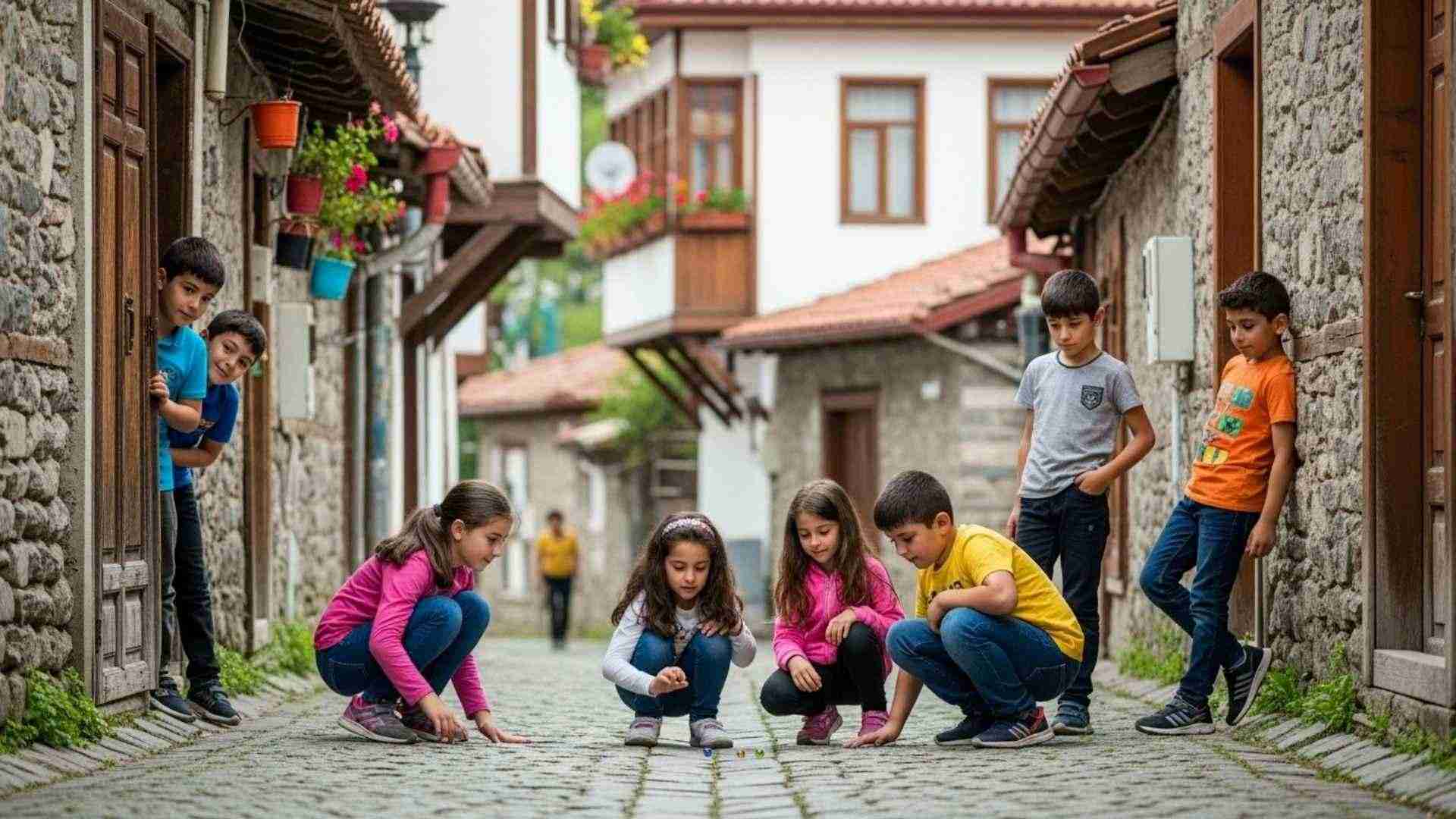
Street games are one of the most vibrant parts of childhood in Trabzon and generally consist of games that don't require equipment and can be played by everyone. Hide-and-seek is one of the most prominent of these games. Neighborhood alleys, stairwells, and gardens form the natural playing areas. This game teaches children to observe their surroundings well, make quick decisions, and be patient. Thanks to different age groups playing together, younger children learn from older ones, and a natural environment of communication and guidance is created within the game.
Marbles are also widely played in the streets of Trabzon. Since the street surface and sidewalk edges offer suitable areas for marbles, children easily create their own play areas. This game improves aiming, attention, and hand-eye coordination, while allowing children to experience a balanced sense of winning and losing. While playing marbles, children learn to follow rules and take turns.
Games like jump rope, dodgeball, and spinning tops are among the outdoor activities that increase physical activity. Jump rope improves balance and rhythm, while dodgeball teaches children teamwork. Spinning tops require dexterity and focus. Through these games, children experience a childhood away from screens, physically active, and socially strong.
How did neighborhood culture affect childhood?
Neighborhood culture plays a decisive role in shaping childhood in Trabzon. For children, the neighborhood is not only a place to live but also an environment where social rules are learned. Neighborly relations are a significant factor influencing children's behavior. The warnings and guidance of adults contribute to the development of children's ability to distinguish between right and wrong.
Children growing up in this culture see cooperation and sharing as a natural part of daily life. Shared joys and responsibilities in the neighborhood help children develop a sense of community. In this respect, life in Trabzon teaches children the importance of working together rather than individually. This structure allows children to feel safe and become more balanced individuals in their social relationships.
Growing Up with the Sea, the Highlands, and Nature
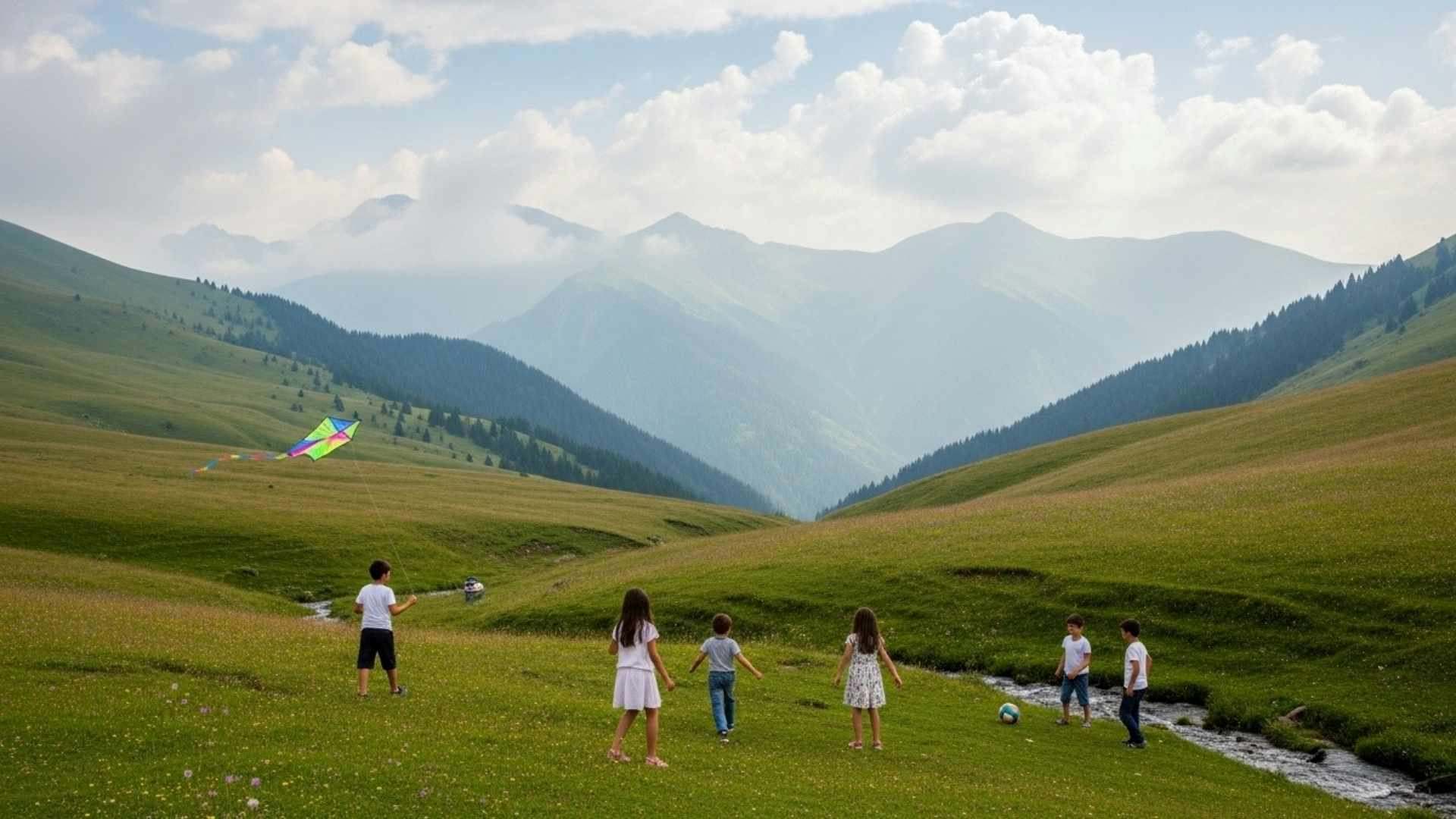
In Trabzon, childhood is shaped by strong ties to the sea and nature. Children growing up in coastal areas are introduced to the sea at an early age and experience nature as a part of daily life. Time spent by the sea contributes to the development of environmental awareness in children. Being in contact with natural elements keeps their curiosity alive.
Furthermore , the highlands of Trabzon offer children a unique experience of nature. Highland life provides opportunities to closely observe the changing seasons, animal husbandry, and the natural life cycle. The vast open spaces and clean air support children's physical development while contributing to their mental well-being. Children who grow up surrounded by nature acquire environmental awareness and a sense of responsibility at an early age.
Childhood Changes in Trabzon from Past to Present
Childhood in Trabzon has undergone significant changes over time. While childhood experiences were once centered around streets and neighborhoods, they are now confined to more limited spaces. Increased urbanization, changing lifestyles, and the integration of technology into daily life have reduced children's play areas. Despite this, Trabzon's cultural structure continues to exist as a factor preventing children from completely losing their social connections.
Although children today spend more time indoors and in digital environments compared to the past, traditional games and neighborhood relationships have not completely disappeared. The conscious approach of families and the community allows children to grow up with both modern and traditional values. In Trabzon, childhood, from the past to the present, continues to preserve its structure based on nature, neighborhood, and social solidarity, adapting to changing conditions.


Comments
Write the first comment.