

Trabzon tea develops its unique aroma and color profile thanks to the humid climate of the Black Sea region and the year-round rainfall. High humidity supports leaf development, while regular rainfall ensures the plant grows without stress. These conditions contribute to a balanced leaf fiber structure and a more intense color during the fermentation process. When brewed, Trabzon tea generally produces a dark, bright, and clear color. This is the result of proper harvesting and processing.
Tea producers in Trabzon consider the rapid arrival of fresh tea leaves at the factory critical for quality. As waiting times increase, uncontrolled oxidation begins in the leaves, leading to a loss of aroma. Therefore, tea factory facilities in Trabzon are generally located close to the production areas. If the tea is processed quickly from the field, its freshness is preserved, and the final product is more balanced. This system relies on managing quality without leaving it to chance.
The distinctive characteristics of Trabzon tea are not limited to climate alone. Processing techniques, fermentation time, and drying parameters directly affect its flavor. The same leaf can develop a completely different taste profile under different processing conditions. Therefore, technical control is as important as agricultural yield for regional producers.
Historical Development of Tea Production in Trabzon
Tea production in Trabzon developed during the Republican era thanks to agricultural policies initiated throughout the Black Sea region. In the early years, fresh tea was sent to regional centers for processing, but over time, production facilities were established in Trabzon as well. This allowed local producers to market their products more quickly and enabled on-site quality control.
The districts of Of and Sürmene, in particular, have become areas where tea production is concentrated. Small family gardens have gradually formed cooperatives, and with private sector investments, a more organized production structure has been adopted. Thus, Trabzon tea has ceased to be merely an agricultural product and has acquired a sector structure with processing capacity.
Today, tea factories in Trabzon operate with modern machinery. Automatic temperature and humidity control systems ensure standardization of the production process. This development aims to reduce quality fluctuations while preserving the character of the tea.
The Processing and Production Stages of Fresh Tea
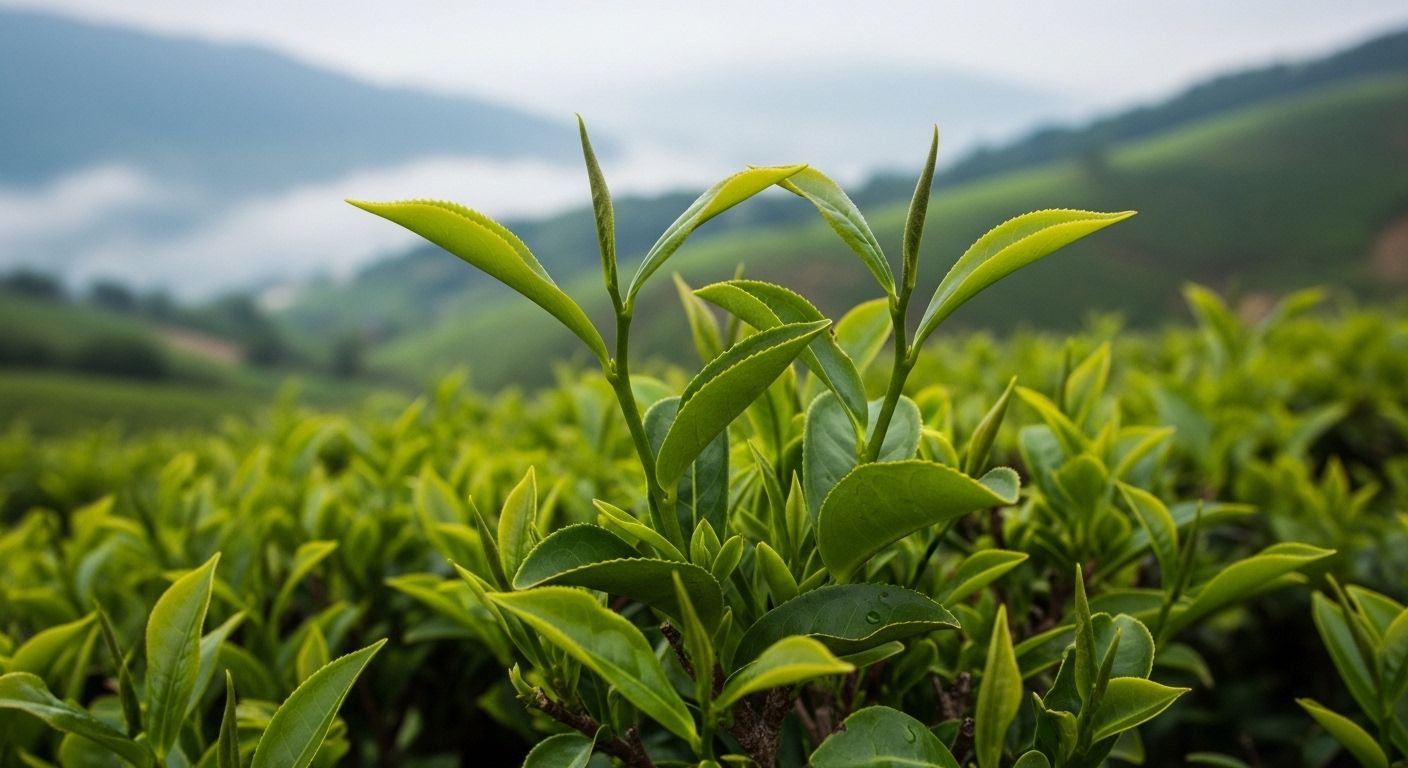
The processing of fresh tea involves specific technical stages, and each step directly affects the final flavor. Even the highest quality leaves will not yield the desired aroma and color if the process is not managed correctly. The first stage is wilting. In this stage, the moisture content of the leaf is reduced in a controlled manner, and the cellular structure is prepared for the next process. If the moisture content is not properly adjusted, the fermentation balance is disrupted, and the tea loses its character. After wilting, the rolling process is applied. This process breaks down the leaf cells, initiating an enzymatic reaction and triggering the oxidation process.
The fermentation stage is the most critical step in determining the color and aroma of the tea. If the ambient temperature and duration are not correctly adjusted, the quality will be severely affected. Excessive fermentation creates a bitter and burnt taste, while insufficient fermentation results in a light color and weak aroma. The drying process ends fermentation in a controlled manner and increases the shelf life of the tea. The final stage involves sorting and packaging. Using moisture-proof and light-proof packaging is important for preserving freshness.
The processing of fresh tea leaves technically consists of the following steps:
- Fading
- Bending
- Fermentation
- Drying
- Classification
- Packaging
Each stage of tea production requires precise control. If temperature, humidity, and time parameters are managed according to standards, quality will be consistent. Without production discipline, even leaves from the same garden can yield different results. Therefore, the processing of fresh tea is a fundamental factor determining the product's character.
Key Factors Determining Quality in Trabzon Tea
Producing a high-quality Trabzon tea doesn't depend solely on good raw materials. Harvest time, leaf selection, and technical parameters in the production process must be considered together. The two-leaf, one-bud standard accepted in tea farming is crucial for aroma intensity and balance. Using lower leaves of the plant increases the fiber content, which, while darkening the color of the brew, can create harshness and a bitter taste in the throat. Therefore, selectivity during the harvesting stage directly affects quality.
When evaluating quality, key criteria include maintaining leaf integrity , low dust content , a clear and vibrant color , and the absence of burnt or excessively bitter taste . As the proportion of broken and fragmented leaves increases, the amount of dust rises, which can cause cloudiness when brewed. A clear and bright color indicates that the fermentation process has been managed correctly. An excessively burnt taste is usually the result of uncontrolled drying. Balanced aroma and a smooth taste are indicators of production discipline.
Storage conditions also play a decisive role in quality. Tea is a hygroscopic product and easily absorbs ambient moisture. Products stored in a humid environment may undergo odor changes and their aroma may weaken over time. Therefore, after production, it should be stored in hygienic, dry, and dark areas. Trabzon tea can retain its aroma and drinking characteristics for a long time under the right storage conditions.
Ofsefa Tea: Premium Quality and Modern Production Approach

Premium quality in tea production is not limited to the use of selected leaves. The real determining factor is the technical control of the entire production process from start to finish. The time it takes for the fresh tea to reach the factory, the capacity of the wilting unit, the temperature and humidity balance of the fermentation area, and the efficiency of the drying systems directly affect the quality. Regular monitoring of these parameters ensures a similar aroma and color profile in every batch.
A modern Trabzon tea factory infrastructure includes long wilting conveyor belts, multiple curling machines, and controlled fermentation systems. No matter how high the daily processing capacity, what truly matters is not the speed of the process, but its control. Controlled oxidation, precise drying temperature adjustment, and hygienic packaging conditions are fundamental to consistent quality. The premium approach embodies this disciplined production model.
Ofsefa Tea, based in Trabzon, is one of the facilities operating with infrastructure compliant with TSE (Turkish Standards Institution) standards. With its wilting unit, rolling machines, and extensive fermentation area, it processes fresh tea in a controlled manner. With its factory in Sürmene and its sales point in Of, it manages its production and distribution process within its own structure. This system highlights the importance of technical knowledge and process monitoring in regional tea production.


Comments
Write the first comment.