

Trabzon's vegetation stands out as one of the densest and most diverse natural structures in Türkiye, shaped by the humid climate of the Black Sea and defined by vast forest areas that remain green throughout the year. The first detail that visitors notice is the variety of plant life that varies at different altitudes. This natural transition, extending from sea level to the mountain peaks, allows for the observation of different ecosystems even over short distances. Trabzon's vegetation represents a natural structure dominated by broad-leaved trees and boasting a very high level of biodiversity, remaining constantly alive thanks to the humid and rainy weather conditions. This diversity is of great value both in terms of ecological balance and tourism.
What factors determine the vegetation in Trabzon? The influence of climate and geography.
The most important factor determining Trabzon's vegetation is the humid climate that prevails throughout the year. Trabzon's climate , typical of the Black Sea region, is characterized by abundant rainfall and a mild climate, which directly supports plant growth. The high annual rainfall ensures the soil remains constantly moist, creating a suitable environment for the development of broadleaf forests. Thanks to the low temperature variations, plants remain active for a large part of the year.
Geographical features directly influence vegetation. ExaminingTrabzon's geographical characteristics reveals that the steep mountain ranges rising from the coast create distinct climatic transitions over short distances. This results in different plant species growing in coastal areas and different species in higher altitude regions. As altitude increases, temperature decreases, humidity changes, and consequently, vegetation diversifies. This diversity makes Trabzon one of Turkey's richest natural areas.
What Plant Species are Found in Trabzon? Trees, Shrubs, and Endemic Species
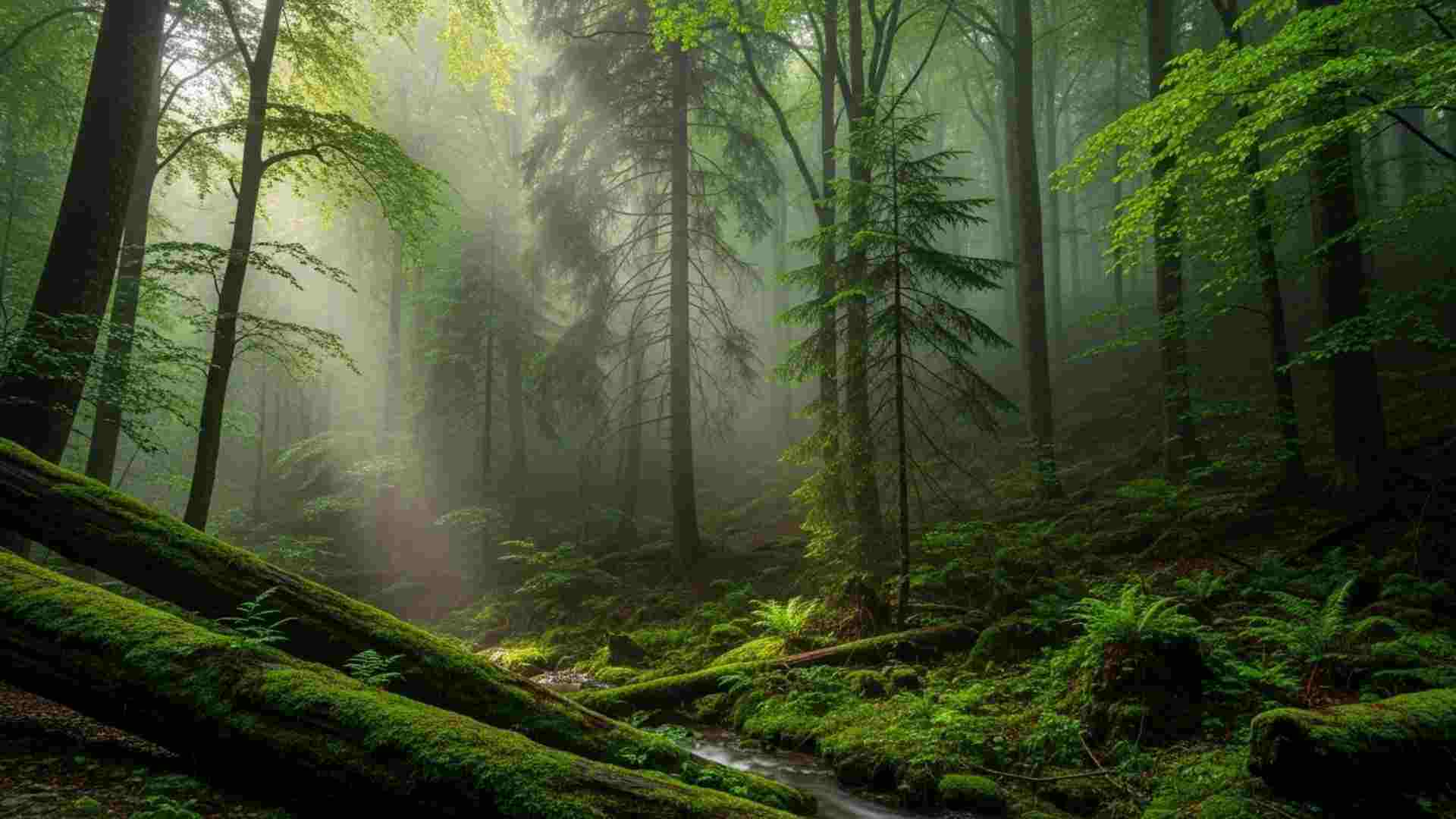
The plant species found in Trabzon have a very wide range, and this diversity stems from the varying natural conditions at different altitudes. Broad-leaved trees are generally abundant in coastal areas, while the vegetation changes as one moves inland. The region is particularly rich in forest cover, presenting a density above the Turkish average.
Shrub-like plants occupy an important place, especially in the forest undergrowth. These plants contribute to soil conservation and play a significant role in the sustainability of the ecosystem. Furthermore, some endemic species grow only in this region, enhancing Trabzon's biological value. The high density of plants that prefer humid environments creates a unique natural structure in this geography.
Tree Species Endemic to the Black Sea Region
Among the tree species native to the Black Sea region, beech, chestnut, hornbeam, and spruce stand out. These trees are widespread in the region thanks to their resistance to high humidity levels. Beech trees are particularly concentrated at mid-altitudes, while spruce species are found in higher regions. Chestnut trees, on the other hand, hold an important place both economically and ecologically.
These tree species not only form the forest structure but also support animal life in the region. The shade provided by broad-leaved trees provides habitats for many living creatures. This contributes to the balanced continuation of Trabzon's natural ecosystem.
Vegetation found in highlands
As one ascends to the plateaus, a noticeable change in vegetation is observed. Tree density decreases, giving way to shorter plants. Meadow and grassland vegetation becomes dominant in these areas. Covered in a lush green canopy during the summer months, the plateaus create a colorful spectacle with various types of flowers.
The vegetation of the plateaus is also of great importance for livestock farming. The abundance of grazing areas supports the traditional way of life in the region. These areas also attract attention for nature tourism and offer visitors a unique experience. The plant structure of the plateaus is one of the most important indicators of Trabzon's natural diversity.
How does the vegetation change in the coastal and highland regions of Trabzon?
The vegetation of Trabzon shows significant differences between its coastal and highland regions. The coastal areas are dominated by dense forests. High humidity causes trees to grow faster and form a denser structure. These regions generally feature broad-leaved and evergreen plants.
In highland regions, more open areas are noticeable. Trees become sparser, giving way to meadows. This is a result of climatic conditions that vary with altitude. Temperatures drop at higher altitudes, and the growing season for plants shortens. Therefore, more hardy and shorter plants come to the forefront.
This diversity allows for different natural landscapes to emerge even over short distances. Both dense forests and open plateau areas can be seen on the same day. This clearly demonstrates why Trabzon is so popular for nature tourism.
Where are the densest forested areas and richest natural vegetation in Trabzon?
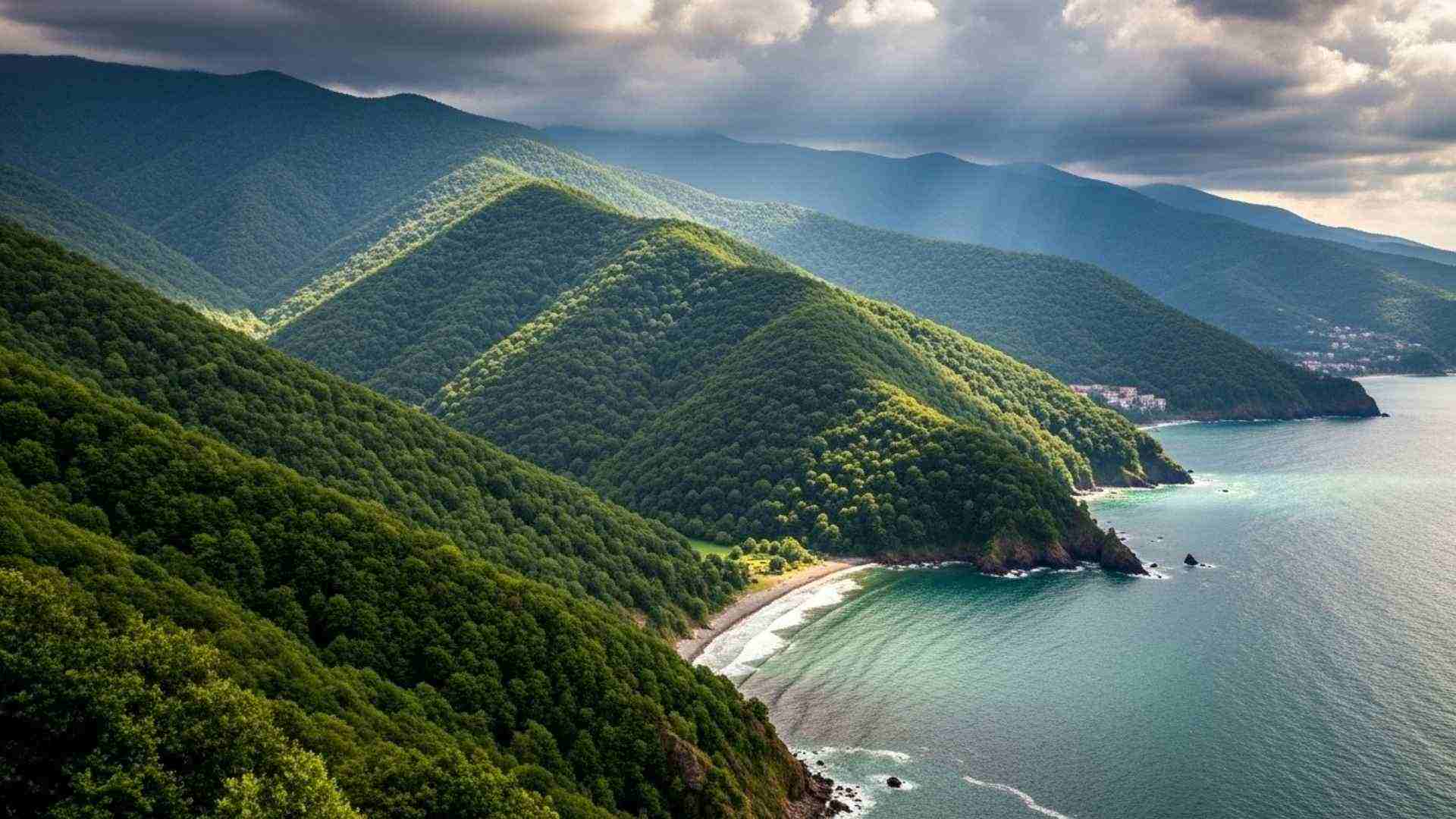
In Trabzon, the densest forested areas are generally located around Maçka, Sürmene, and Araklı. These regions are known for both preserving their natural structure and being rich in plant diversity. The forests, especially those stretching along the valleys, maintain their vitality throughout the year thanks to their high humidity.
Areas like the Altındere Valley are among the best places to observe vegetation. Different tree species can be seen together in these regions, and the natural structure is quite balanced. Furthermore, the area around Uzungöl is another noteworthy location in terms of plant diversity. The forest structure around the lake offers significant value both visually and ecologically.
Protecting these areas is critical for maintaining the natural balance of the region. The density of forested areas directly affects many aspects, from air quality to the water cycle. Therefore, Trabzon's natural environment is of great importance not only from a tourism perspective but also from an ecological point of view.
Why is Trabzon's vegetation so rich?
The main reason for Trabzon's rich vegetation is the natural balance created by the combination of climate and geographical structure. High humidity, abundant rainfall, and mild temperatures ensure continuous plant growth. At the same time, the mountainous terrain creates different microclimates, which further enhances plant diversity.
Soil structure is also an important part of this richness. Soils rich in organic matter support plant growth and allow different species to coexist. This contributes to the high level of biodiversity in the region.
Life in Trabzon is intertwined with the natural environment, contributing to the preservation of its vegetation. While urbanization is concentrated in certain areas, vast spaces continue to maintain their natural structure. As a result, Trabzon's vegetation has reached a level of richness rarely seen in Turkey, and this structure is considered an important natural heritage that needs to be protected in the long term.


Comments
Write the first comment.