

Trabzon's cultural continuity is ensured by the natural preservation of values from the past in daily life. Culture in the city is not merely a historical legacy or a collection of traditions remembered during specific periods. In Trabzon, social relations, family structure, educational philosophy, and daily behaviors are fundamental elements supporting the continuity of culture. Trabzon's historical past and geographical location have been decisive in shaping this cultural structure, fostering a strong bond between generations.
Cultural continuity is less a conscious effort at preservation and more a process that develops spontaneously within daily life. Culture is constantly reproduced across a wide spectrum, from relationships within the home to neighborhood life. In this respect, Trabzon culture exhibits a vibrant structure that is not static but adaptable to change. Life in Trabzon is based on a foundation where culture exists not as a theoretical concept, but as a practical reality.
Family Structure and Intergenerational Cultural Transmission
In Trabzon, the family structure is the strongest carrier of cultural continuity. The vitality of kinship ties, the preservation of extended family bonds, and the guiding role of elders within the family facilitate the transmission of culture from generation to generation. Children learn local values not through direct explanations, but by observing behaviors within the family. This ensures the lasting retention of cultural knowledge.
Daily routines within the family form the fundamental areas of cultural transmission. Table manners, attitudes displayed during holidays and special occasions, and ways of hosting guests are imprinted in children's memories. Over time, these habits become part of an individual's behavioral patterns. In this way, culture becomes not a compulsory doctrine, but a set of values acquired within the natural flow of life.
Intergenerational interaction is not limited to the family. Social environment and neighborhood relationships also support this transmission. The presence of different age groups allows young individuals to learn about local culture through experience. This structure ensures that cultural continuity is strengthened on a societal rather than an individual basis.
Local Traditions, Festivals and Daily Life
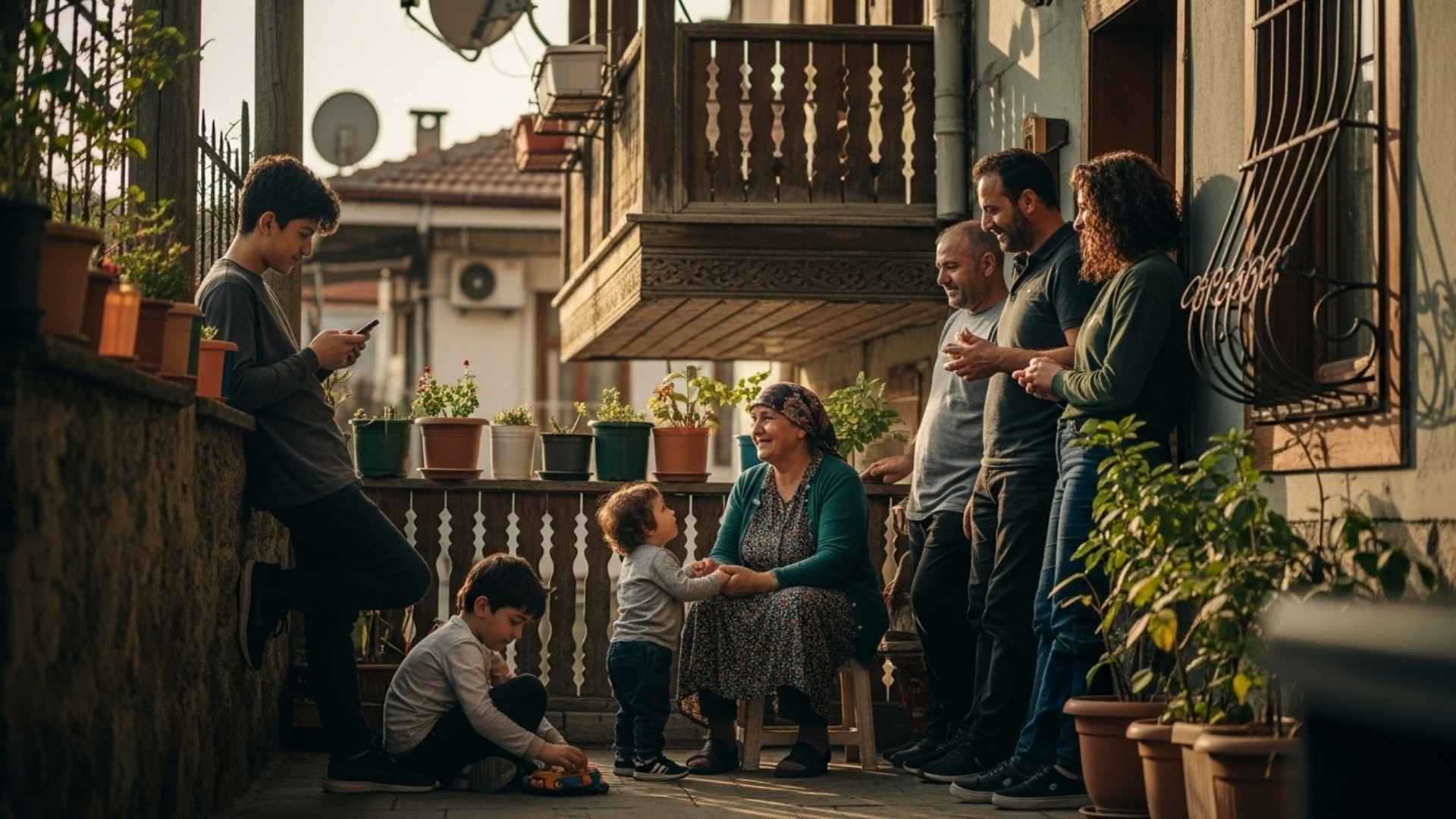
Local traditions play a significant role in the continuity of Trabzon's culture. These traditions are not limited to special occasions; daily habits are among the most enduring elements of the culture. Forms of greeting, neighborly relations, and the concept of social solidarity are reflections of these traditions in everyday life.
Festivals and local events make culture visible at the societal level. Such events contribute to the remembrance of values from the past and their transmission to new generations. Local music, folk dances, and regional events allow culture to be kept alive on a common ground. High levels of community participation support the preservation of cultural awareness.
Daily life practices are the most influential area in terms of the continuity of culture. Many forms of behavior, from shopping to social relations, bear the traces of local culture. In Trabzon, hospitality is one of the most prominent examples of these practices. The approach to guests, the understanding of hospitality, and the language of social communication clearly reveal how culture is kept alive in daily life.
Education, Language and Preservation of Local Values
Education plays an indirect but significant role in preserving Trabzon's culture. Schools are not only institutions that provide academic knowledge, but also spaces where social values are reinforced. The relationships between students, the approach of teachers, and the social environment within the school contribute to the continuation of local values.
Language use is one of the fundamental elements of cultural continuity. Local expressions and words found in everyday spoken language help preserve cultural memory. This linguistic structure allows culture to move from an abstract concept to a living phenomenon. Language is one of the strongest links between the past and the present.
Preserving local values does not contradict modern educational principles. On the contrary, an educational structure supported by cultural awareness enables individuals to possess both universal and local values. This balance plays a crucial role in transmitting Trabzon's culture to future generations.
The Transformation of Trabzon Culture During the Modernization Process
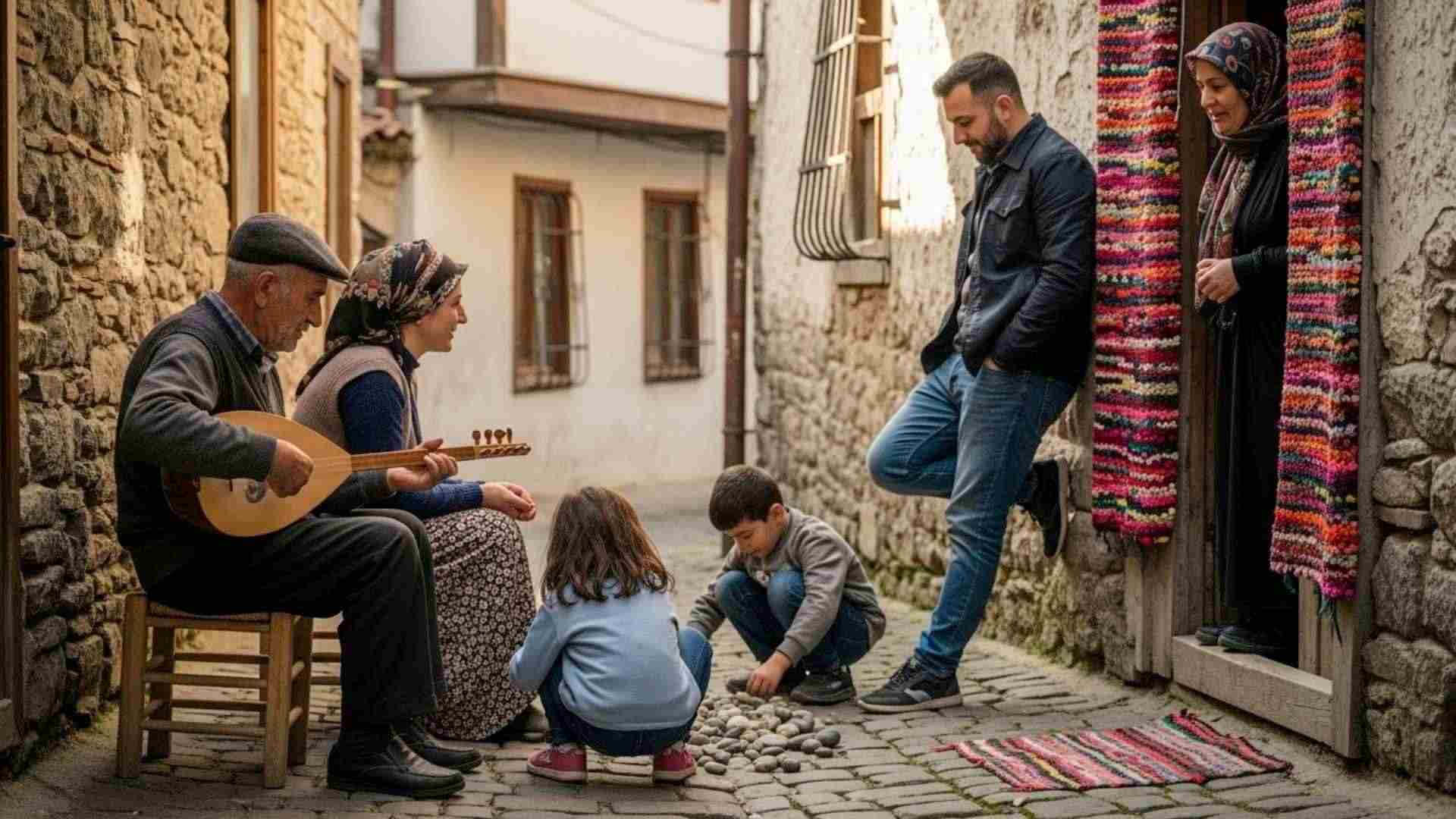
The modernization process has brought about certain transformations in Trabzon's culture. Urbanization, technological advancements, and changing lifestyles have affected the traditional structure. However, this impact has not resulted in the complete disappearance of the culture, but rather in its adaptation to the new conditions and its continued existence.
Traditional values have taken on different forms alongside modern life. Although social relationships have shifted to digital environments, fundamental behavioral patterns and communication styles have largely been preserved. This demonstrates that Trabzon culture has a flexible and adaptable structure. Despite changing circumstances, the culture is able to maintain its essence and continue to exist.
Today, Trabzon's cultural structure progresses on a balance that moves towards the future without severing its ties with the past. Family structure, educational philosophy, daily life, and social relations are the fundamental pillars of this balance. Cultural continuity is ensured not so much through a planned preservation process, but through practices carried out within the natural flow of life. Therefore, despite the modernization process, Trabzon's culture continues to exist strongly and vibrantly.


Comments
Write the first comment.