

Persimmon is a fruit that ripens in the autumn months and can be consumed both fresh and dried. The drying process concentrates the fruit's natural sugar content and allows for longer storage. In home drying, no additives are used, preserving the fruit's structure. For successful persimmon drying, the appropriate ripeness level must be achieved, the right methods must be chosen, and environmental conditions must be considered. Different drying methods such as sun drying, shade drying, or oven drying can be applied, and the results of each method are decisive in determining the texture and taste of the fruit. The practices applied throughout the drying process directly affect the quality of the resulting dried persimmon.
Which persimmon should be chosen for making dried persimmon?
The foundation of a successful drying process begins with the correct fruit selection. Persimmons used for drying should be not fully ripe, but have entered the ripening process. Persimmons that are too hard and completely unripe will not give the desired aroma during drying, while those that are excessively soft and have a gel-like interior may disintegrate during drying.
Ideal persimmons have a vibrant orange outer skin, offer slight resistance when pressed, and are free from rot or bruising. Persimmons at this stage retain their shape and naturally sweet aroma when dried. Furthermore, the fact that the stem is intact is a significant advantage, especially when used for hanging-to-drying.
What are the methods for drying persimmons at home?
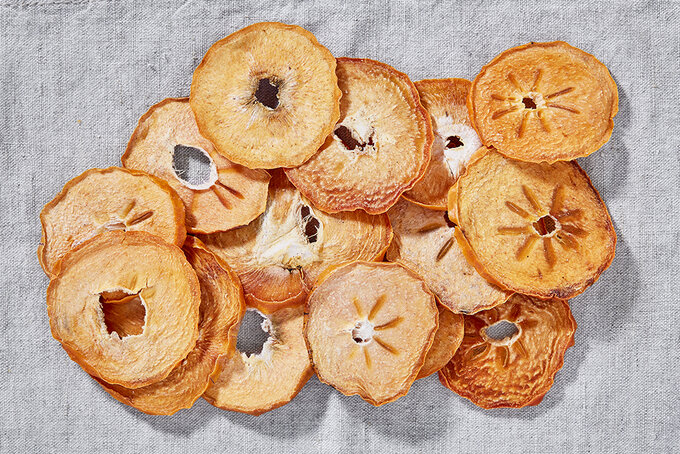
There are several methods for drying persimmons at home. The most common methods are drying in a natural environment and drying in an oven. Which method is preferred depends on the climate conditions of the region, available time, and the desired texture.
In natural methods, dates are dried either by hanging them with string or by laying them flat on a surface. Although these methods take longer, they yield the most balanced results in terms of aroma and texture for dried persimmons from Trabzon. The oven method is preferred for those who want to save time, but if the temperature is not controlled correctly, the outside of the fruit can harden.
The common point in both methods is that the dates are washed, peeled, and left to dry in a clean environment. This preparatory step before drying ensures that the product is both hygienic and has a longer shelf life.
Should persimmons be dried in the sun or in the shade?
One of the most frequently asked questions when drying persimmons is whether sun or shade is preferable. The answer actually depends directly on the ambient temperature and air circulation. In temperate and windy regions, semi-sunny, semi-shaded environments offer the most ideal conditions.
Persimmons dried directly under intense sunlight may have a quick outer surface, but the inside can remain moist. This increases the risk of spoilage in the long run. Drying in the shade takes longer but ensures a more even drying process. Dried persimmons obtained using this method generally have a softer texture.
The best results are obtained in areas that receive sunlight during the day but are not exposed to direct sunlight at midday, and that have good air circulation. This helps preserve both the color and taste balance.
Is it possible to make oven-dried persimmons in Trabzon?
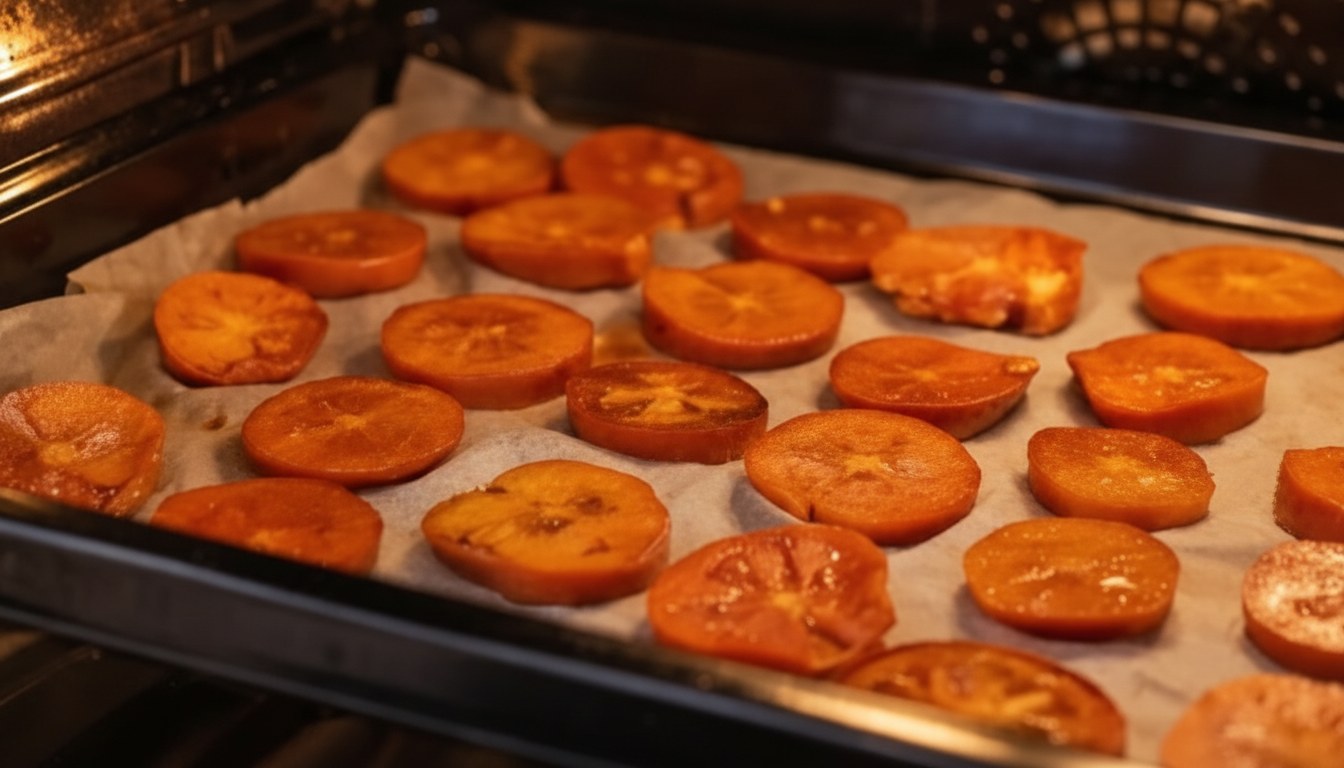
Drying persimmons in the oven is possible and a practical alternative, especially for those living in humid regions. However, the most important factor to consider with this method is temperature control. Drying at high temperatures can cause the outer surface of the fruit to harden and the inside to not dry completely.
For oven drying, persimmons are usually sliced thinly. They are arranged spaced apart on a baking sheet lined with parchment paper, and the oven is set to a low temperature. Leaving the oven door slightly ajar helps the moisture escape. Persimmons dried using this method are ready in a shorter time compared to those dried in the sun.
While the oven method saves time, the aroma intensity may be slightly milder compared to natural drying methods. Therefore, the choice depends entirely on the intended use.
How many days does it take to dry persimmons?
Drying time varies depending on the method used and environmental conditions. Drying processes using natural methods generally take longer. In an environment where the balance of sun and shade is well-adjusted, persimmons reach the ideal dryness level in an average of three to four weeks.
In oven-dried dates, this process can take anywhere from a few hours to a day. However, just as important as the drying time is ensuring that all sides of the date dry evenly. Dates that are not dried sufficiently may mold during storage.
At the end of the drying process, dried persimmons should have a slightly wrinkled outer surface and a non-sticky, elastic interior. This consistency indicates that the product is both delicious and has a long shelf life.
Things to Consider When Drying Persimmons
Small mistakes made during the persimmon drying process can render all the effort useless. Therefore, certain key points must be given special attention. It is crucial that the drying area is clean, dust-free, and has good air circulation. Damp and enclosed spaces create a breeding ground for mold.
Keeping the dates separate ensures that each fruit gets equal access to air. Additionally, the dates should be checked regularly throughout the drying process. If any unusual odor, discoloration, or softening is noticed on the surface, the drying conditions should be reviewed.
After drying, dried persimmons should be stored in glass jars or cloth bags in a cool, dry place. Products stored in this way can retain their freshness for months and can be consumed safely.


Comments
Write the first comment.