

Trabzon Port, located on the eastern coast of the Black Sea, is a strategic port that has been one of the centers of regional trade for centuries. Thanks to its geographical location, it has served as a natural transit point in the flow of trade between Anatolia, the Caucasus, Iran, and Central Asia. The port has become an economic hub not only in terms of maritime transport but also thanks to its land connections with its hinterland. These characteristics have made Trabzon valuable commercially and politically throughout history.
The importance of the port is not limited to the modern era. This coastline, used by different civilizations since antiquity, has been decisive in the development of Trabzon. The city's economic structure, population movements, and international relations have largely been shaped around port activities. Therefore, Trabzon Port is considered one of the fundamental elements for understanding the city's past and holds a special place in Trabzon's history .
When was Trabzon Port established and what was its original purpose?
Although the exact founding date of Trabzon Port is not definitively established by any document, it is known that maritime trade took place in the region from the 7th century BC onwards. Ancient sources indicate that the settlement of Trabzon, established on the Black Sea coast, was used as a natural harbor from early times. Its initial purpose was to facilitate the exchange of goods by sea with surrounding settlements and to regulate coastal trade.
Initially, the port was more of a regional stopover than a large-scale trading center. However, thanks to its safe anchoring areas and proximity to land routes, it gradually became a destination for more merchants. Agricultural products, minerals, and handcrafted goods, in particular, were transported through this port, forming the basis of economic activity.
The Role of Trabzon Port in Trade Routes During Antiquity and the Middle Ages
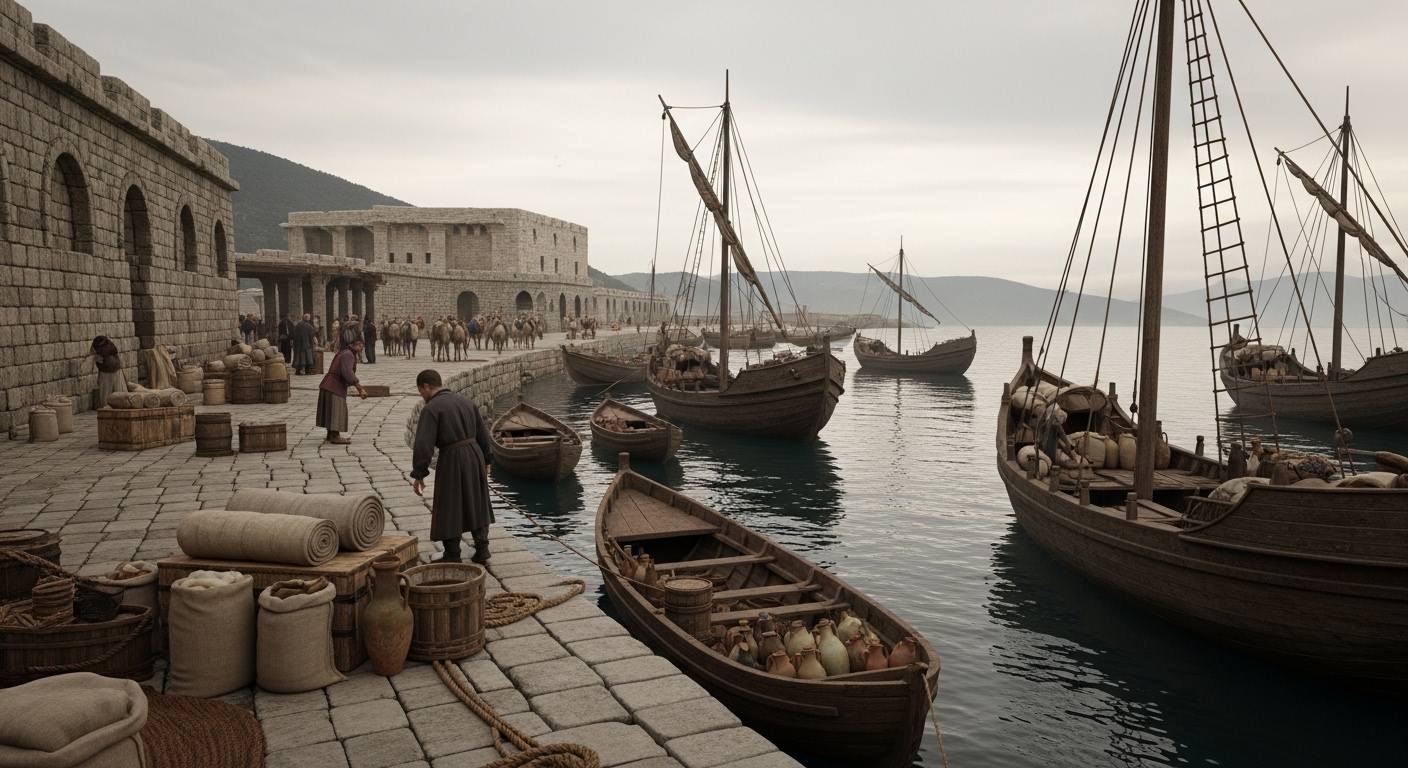
In ancient times, the Port of Trabzon was an important gateway to the Aegean and Mediterranean worlds via the Black Sea. Its location at the point where trade routes from the interior of Anatolia met the sea provided an advantage in transit trade. During this period, grains, wine, fish products, and minerals were among the main traded goods.
During the Middle Ages, the importance of Trabzon Port increased even further. One of the northern branches of the Silk Road became connected to the port, and goods from the east were transported to Europe by sea from here. Spices, silk, and valuable fabrics increased the port's trade volume. In this process, the port rose to the position of a center where not only economic but also diplomatic relations were established.
Why was Trabzon Port a strategic center during the Ottoman period?
During the Ottoman Empire, Trabzon Port became one of the most important trade gateways in the eastern Black Sea. The city's incorporation into Ottoman territory increased the port's security and ensured more orderly commercial activities. This process accelerated with the restructuring of the port under state control after the conquest of Trabzon .
During the Ottoman period, the port was used not only for trade but also for military and administrative purposes. Military supplies and government officials destined for the eastern provinces were transported through this port. Furthermore, a large portion of trade with Iran and the Caucasus took place via the Port of Trabzon. This situation elevated the port to a critical position in the regional balance of power.
Why did the importance of Trabzon Port increase in the 19th century?
The 19th century was a period of significant growth and transformation for the Port of Trabzon. The increase in trade volume between Europe and Asia during this century brought Trabzon back to prominence. In particular, the widespread use of steamships enabled the port to be used with more frequent and regular voyages.
During this period, Trabzon Port became one of the main gateways for transit trade with Iran. Industrial products from Europe were transported to Iran via the port, while raw materials from the east were delivered to Western markets from here. Warehouses, customs facilities, and commercial areas developed around the port. These developments profoundly affected Trabzon's economic structure.
How did Trabzon Port develop during the Republican era?
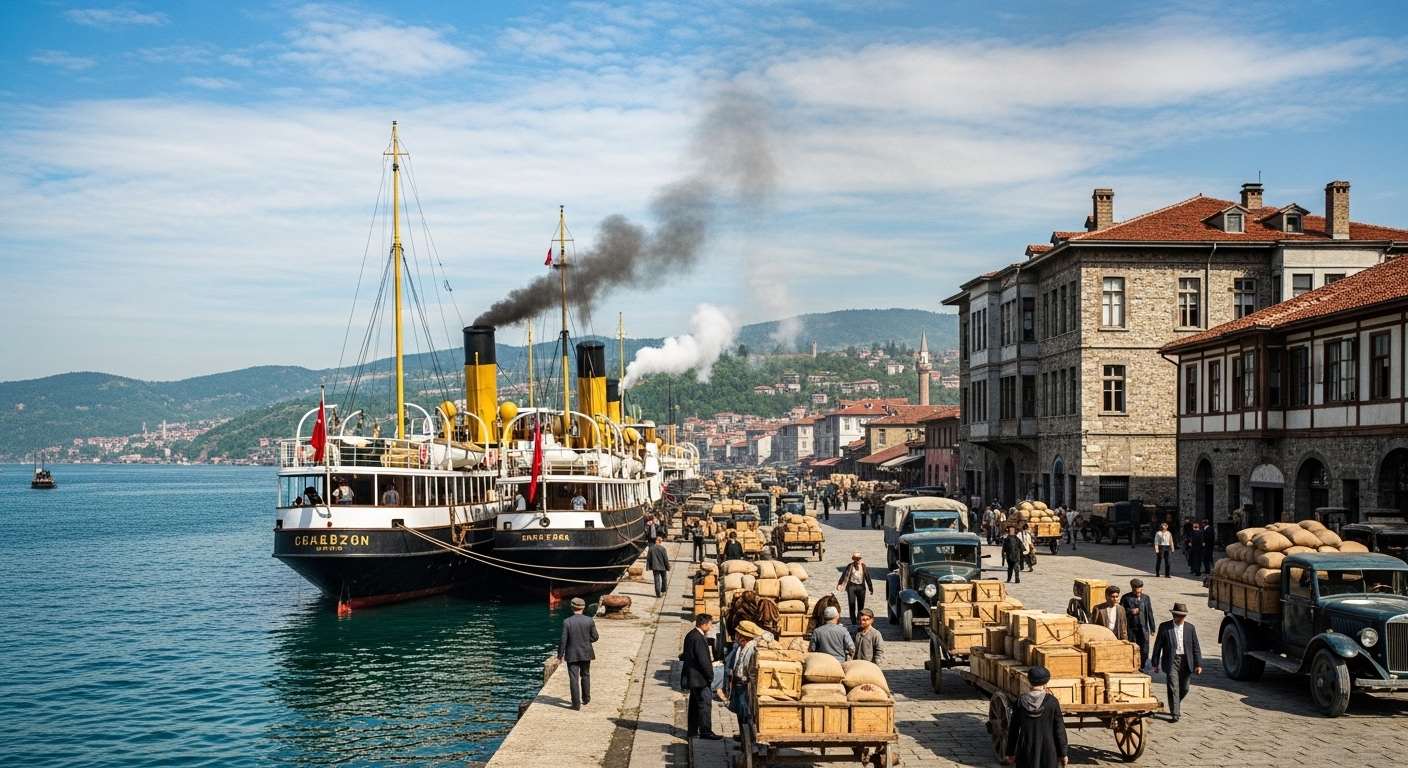
During the Republican era, Trabzon Port was re-evaluated with a modern approach to port management. Infrastructure investments, quay improvements, and technical enhancements increased the port's capacity. Throughout this process, the port was considered a crucial part of regional development plans.
In the modern era, the port has become a center not only for freight transportation but also for logistics services. Strengthening road connections has expanded the port's hinterland. As a result, products manufactured in the Eastern Black Sea and inland regions can now reach international markets more quickly.
Trade Activities from Trabzon Port Throughout History
Trade activities from Trabzon Port have varied throughout history. While agricultural products, minerals, and luxury goods were prominent in ancient and medieval times, transit trade gained prominence during the Ottoman period. The port functioned as a transit point between East and West.
In the post-republican era, trade activities have largely revolved around industrial products, construction materials, and energy-related cargo. The port's historical role has not been limited to economic gain alone; it has also been decisive in shaping Trabzon's urban identity, demographic structure, and regional influence. In this respect, Trabzon Port continues to be an important center representing the continuity of Black Sea trade from the past to the present.


Comments
Write the first comment.