

Trabzon music is considered one of the fastest-paced and most energetic forms of folk music in Turkey. When Trabzon music is mentioned, fast rhythms, sharp accents, and an intense sense of movement come to mind. This perception of speed doesn't stem solely from the instruments;Trabzon's geographical features , social life, dance culture, and rhythmic structure all play a decisive role. Trabzon horon music and Trabzon folk dance music elevate music beyond mere listening, integrating it with physical movement. The reason for the fast rhythm of Trabzon music is a powerful dynamic born from the combination of technical and cultural factors.
Why are Trabzon folk songs faster than other Black Sea folk songs?
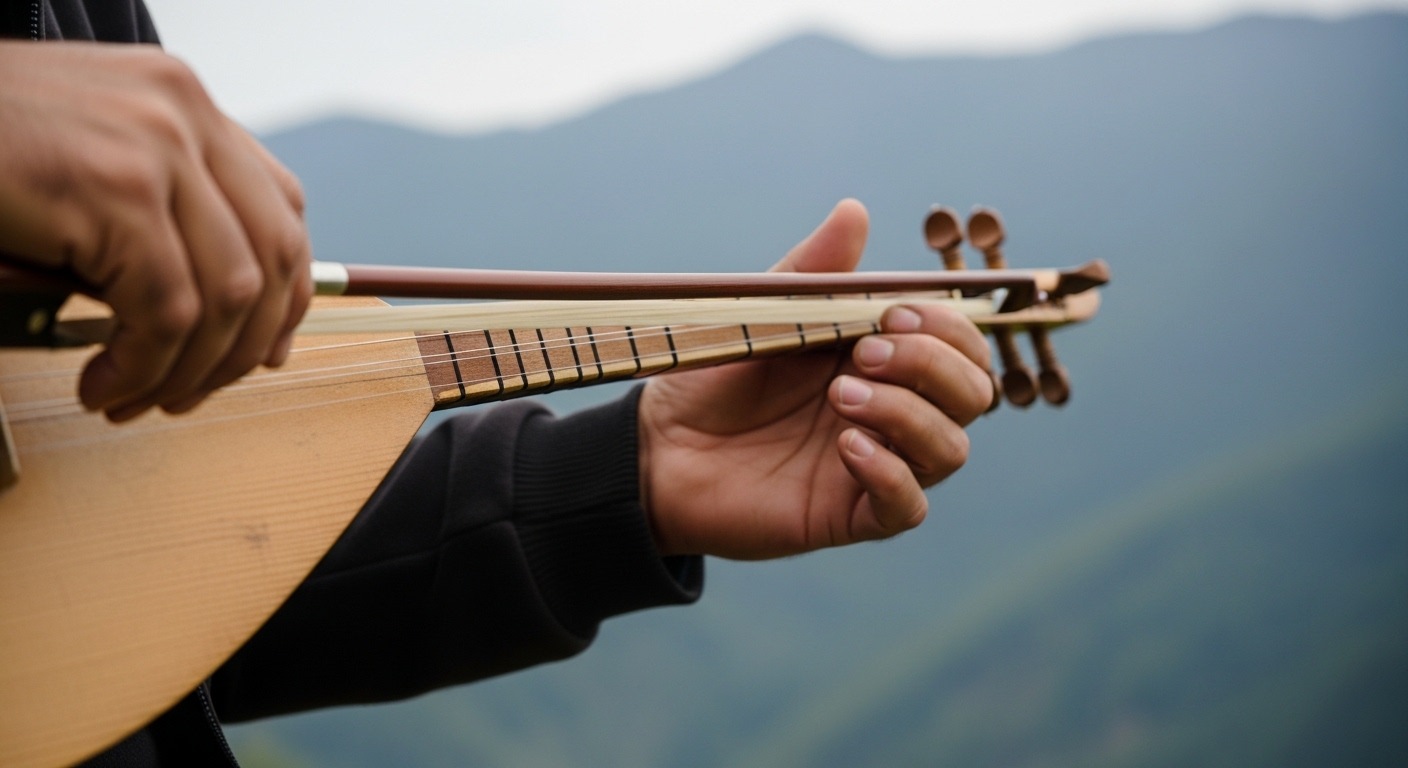
Trabzon music has been shaped by the rugged geography and highland culture of the Eastern Black Sea region. The mountainous terrain and the physically active lifestyle based on agriculture and animal husbandry have resulted in the music having a lively character. There is a direct parallel between the tempo of daily life and the tempo of the music. Therefore, Trabzon music is known for its fast and sharply transitional melodies rather than slow and long, drawn-out forms.
From a technical standpoint, Trabzon music is generally performed at a tempo range of 120 to 160 BPM. While folk music in many regions of Türkiye follows a slower tempo, Trabzon horon music is distinctly faster. This tempo difference creates a sense of constant movement for the listener.
Furthermore, the music for Trabzon folk dances is directly linked to the dance itself. The tempo cannot be slowed down while performing the Horon dance because the step structure and body coordination are designed for high speed. The music must support the energy required by the dance. Therefore, the speed of Trabzon music is not a preference, but a cultural necessity.
Rhythmic Structure and Metering Systems in Trabzon Folk Music
The most important technical reason for the quick perception of Trabzon music is the meter systems used. In Trabzon folk music, irregular meters such as 7/16 and 9/16 are commonly preferred. These meters are not symmetrical and are not equally divided. Asymmetrical accent structures give the music an impetus-filled and dynamic character.
A 7/16 measure is usually emphasized with a 2-2-3 pattern. This structure gives the listener a sense of a rhythm that flows continuously forward. A 9/16 measure is often performed in a 2-2-2-3 or 3-2-2-2 form. The concentration of emphasis in the final section increases the perception of the music's speed.
Irregular rhythms sound faster because the accentuation differs from a predictable four-beat structure. Since Trabzon music uses these meter patterns extensively, even if the tempo remains constant, the listener perceives a higher speed. This is directly related to the rhythmic structure.
An analysis of Trabzon folk dance music reveals a perfect harmony between rhythm and step pattern. The musical meter is shaped according to the dance's movement form. This technical integrity has made the tempo of Trabzon music a lasting characteristic.
How does the rhythm of the Horon dance determine the tempo of the music?
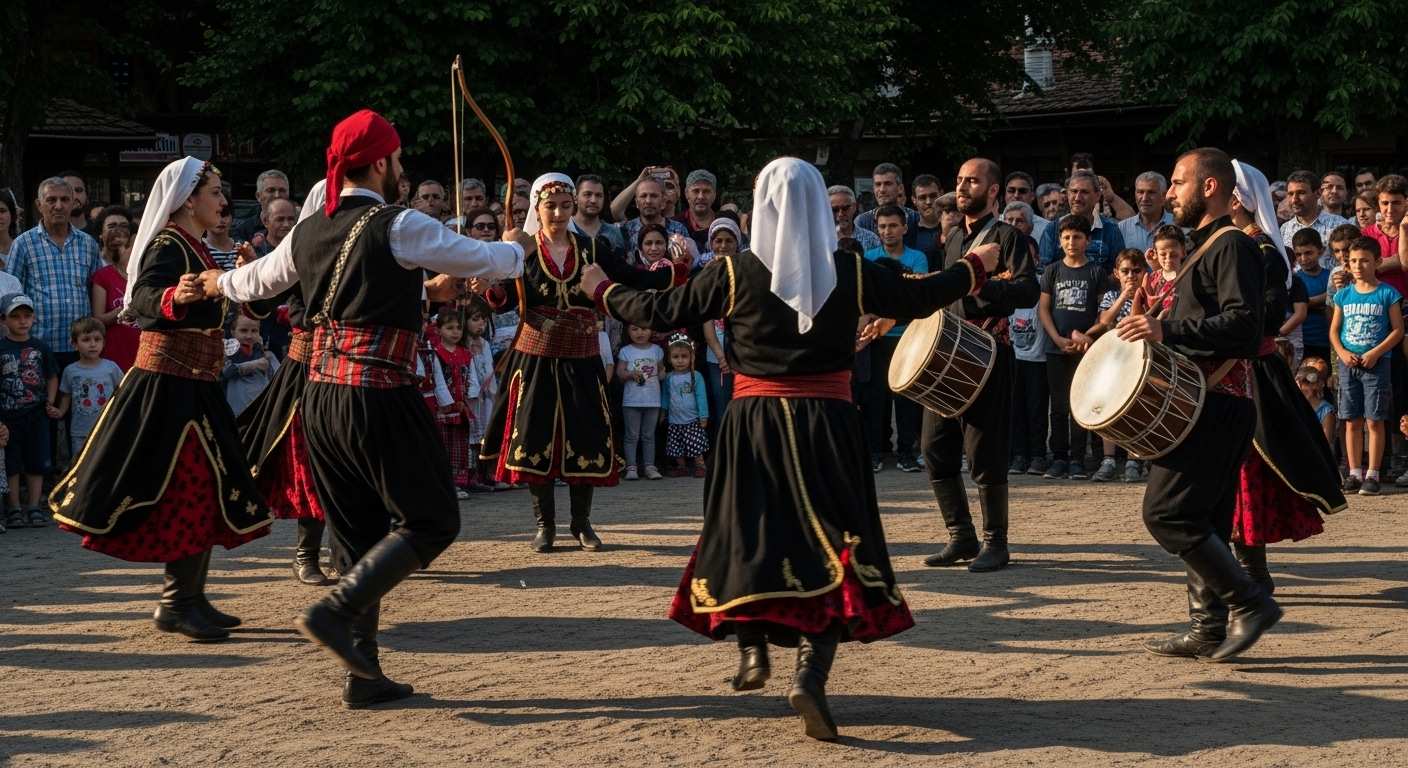
Horon is the most fundamental element determining the tempo of Trabzon music. Horon is danced in a circular form, with dancers moving in sync, shoulder to shoulder. This dance form requires a high tempo because knee bending, sudden changes of direction, and rapid step transitions are only possible with a fast rhythm.
Trabzon horon music is shaped according to the tempo of the dance. If the rhythm slows down, the flow of the dance is disrupted. Therefore, the musicians keep the tempo constant and high. It is almost impossible for the rhythm to drop during the horon because the dancers' body coordination is locked to the rhythm.
The movement structure of the Horon dance consists of short, sharp steps. Each of these steps corresponds to a specific emphasis. As the rhythm quickens, the energy of the dance increases. This reciprocal interaction is the most important difference that distinguishes Trabzon music from other Black Sea regions.
Horon is the defining form within Trabzon folk dance music. Therefore, Trabzon music has a tempo structure integrated with the dance. The tempo of the music is culturally preserved and is not slowed down in traditional performances.
How do Trabzon musical instruments speed up the rhythm?
Musical instruments from Trabzon also play an important role in the rapid perception of rhythm. The most fundamental instrument is the Black Sea kemençe (a type of violin). The short bow strokes and high-pitched frequency structure of the kemençe allow the notes to be heard more quickly and sharply. This technical feature increases the sense of speed in the music.
The drum sets the strong points of emphasis and forms the backbone of the rhythm. When the accent intervals are frequent, the tempo is perceived as higher. The bagpipe, on the other hand, creates a sense of uninterrupted rhythm thanks to the constant airflow. This, in turn, speeds up the flow of the music.
In Trabzon music, instruments are generally played not solo, but as a whole. The kemençe carries the melody, while the drums and other percussion instruments keep the rhythm tight. This coordination prevents the tempo of the music from slowing down.
During the performance of Trabzon horon music, the kemençe player controls the tempo. The speed can increase according to the energy of the dance, but it does not decrease. This control system ensures that the music remains lively and energetic.
In conclusion, the reason why Trabzon music has a fast rhythm is not due to a single factor. The geographical structure, highland culture, irregular meter systems, horon dance, and the instruments used together create a characteristic tempo for Trabzon music. Trabzon folk dance music and Trabzon horon music are the cultural carriers of this speed. Thanks to this integrity, Trabzon music has a dynamic structure that constantly gives the listener a sense of movement.


Comments
Write the first comment.