

Trabzon, located on the eastern Black Sea coast, boasts a unique geography where the sea and mountains meet in a short distance. This natural structure directly shapes its agricultural production. Trabzon's climate , characterized by high rainfall throughout the year, consistently high humidity, and minimal temperature fluctuations , creates a favorable environment, particularly for plants that thrive in humid conditions. Therefore, the city is one of Turkey's most notable centers for agricultural diversity.
When examiningthe geographical features of Trabzon, a narrow coastal strip and rapidly rising mountainous areas stand out. This structure allows for the cultivation of different crops at different altitudes. Tea and hazelnuts are concentrated in areas close to sea level, while potatoes, legumes, and various types of fruit are grown in higher elevations. The formation of microclimate areas enriches the crop pattern. Agricultural products grown in Trabzon not only have economic value but are also an important part of the region's culture.
How do Trabzon's climate and soil structure shape agricultural production?
Trabzon's climate is typical of the Black Sea region. Annual rainfall is quite high and distributed throughout the year. This ensures consistent soil moisture retention. The fact that plants do not experience water stress is a great advantage in terms of productivity. Since extreme droughts do not occur in the summer months, irrigation needs are limited for many crops. In winter, severe frosts are rare in coastal areas. This feature prevents damage to sensitive plants such as tea and kiwi.
The soil structure is generally rich in organic matter. Continuous leaf fall and a humid environment increase humus formation. However, there is a risk of erosion due to heavy rainfall in sloping areas. Therefore, producers use a terracing system. Especially inTrabzon tea production areas, sloping lands are utilized by creating terraces.
Due to its geographical features, Trabzon does not have wide plains. Agricultural areas are mostly fragmented and sloping. This makes large-scale mechanized farming difficult but supports sustainable production based on small family farms. Temperatures are lower in the higher altitudes, and these areas are suitable for potatoes, beans, and some stone fruits.
The combination of climate and soil determines the quality of products grown in Trabzon. High humidity results in softer and more aromatic tea leaves, and higher yields for hazelnuts. These characteristics make the region's products stand out in the market.
What are the main agricultural products grown in Trabzon?
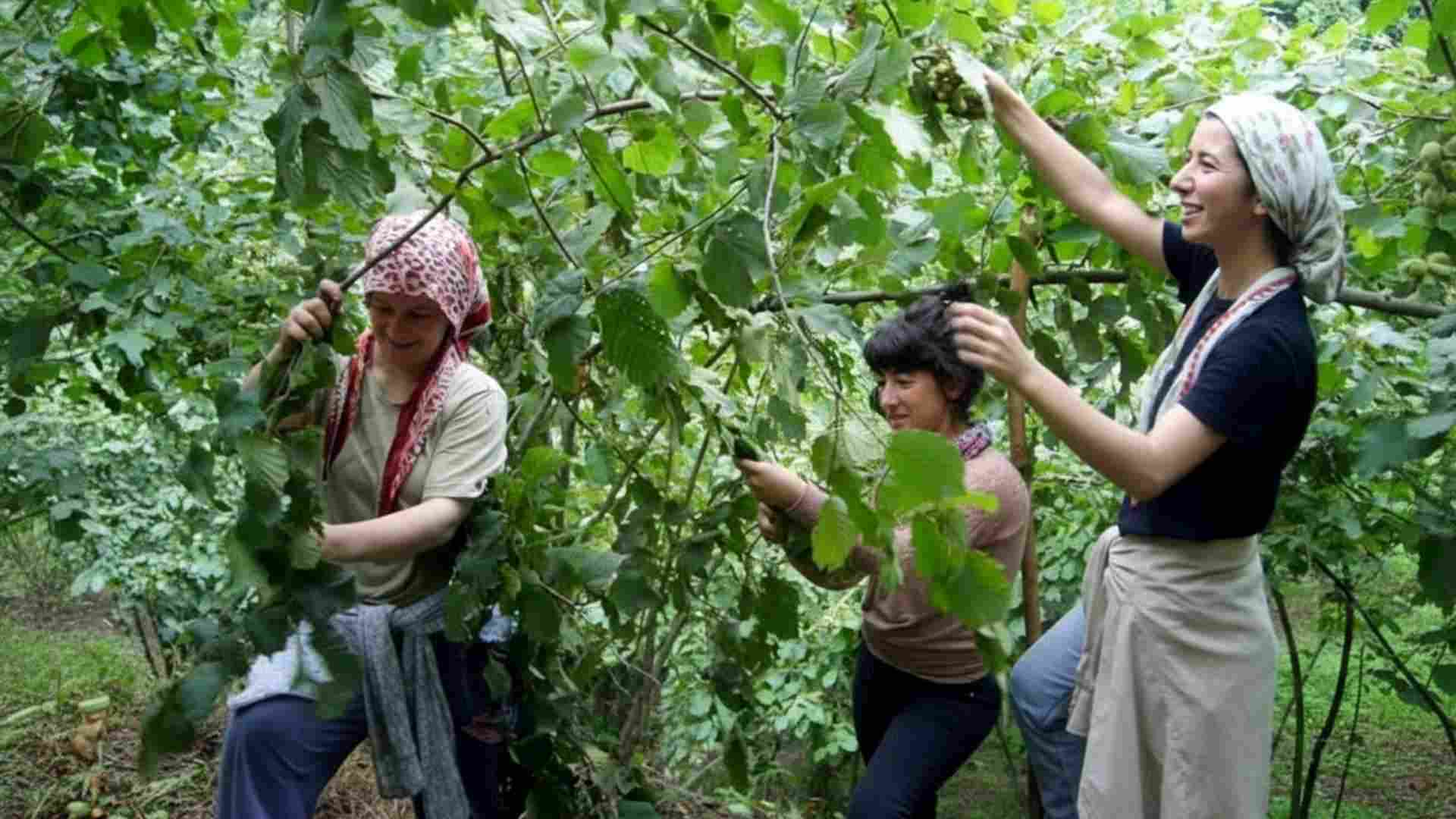
In Trabzon, hazelnuts form the basis of agricultural production. Eastern Black Sea hazelnuts are known for their high oil content and aroma. Their ability to grow on sloping terrain makes them adaptable to the region. Hazelnuts are consumed both domestically and hold a significant share in exports. In many districts of Trabzon, families earn their living from hazelnut production.
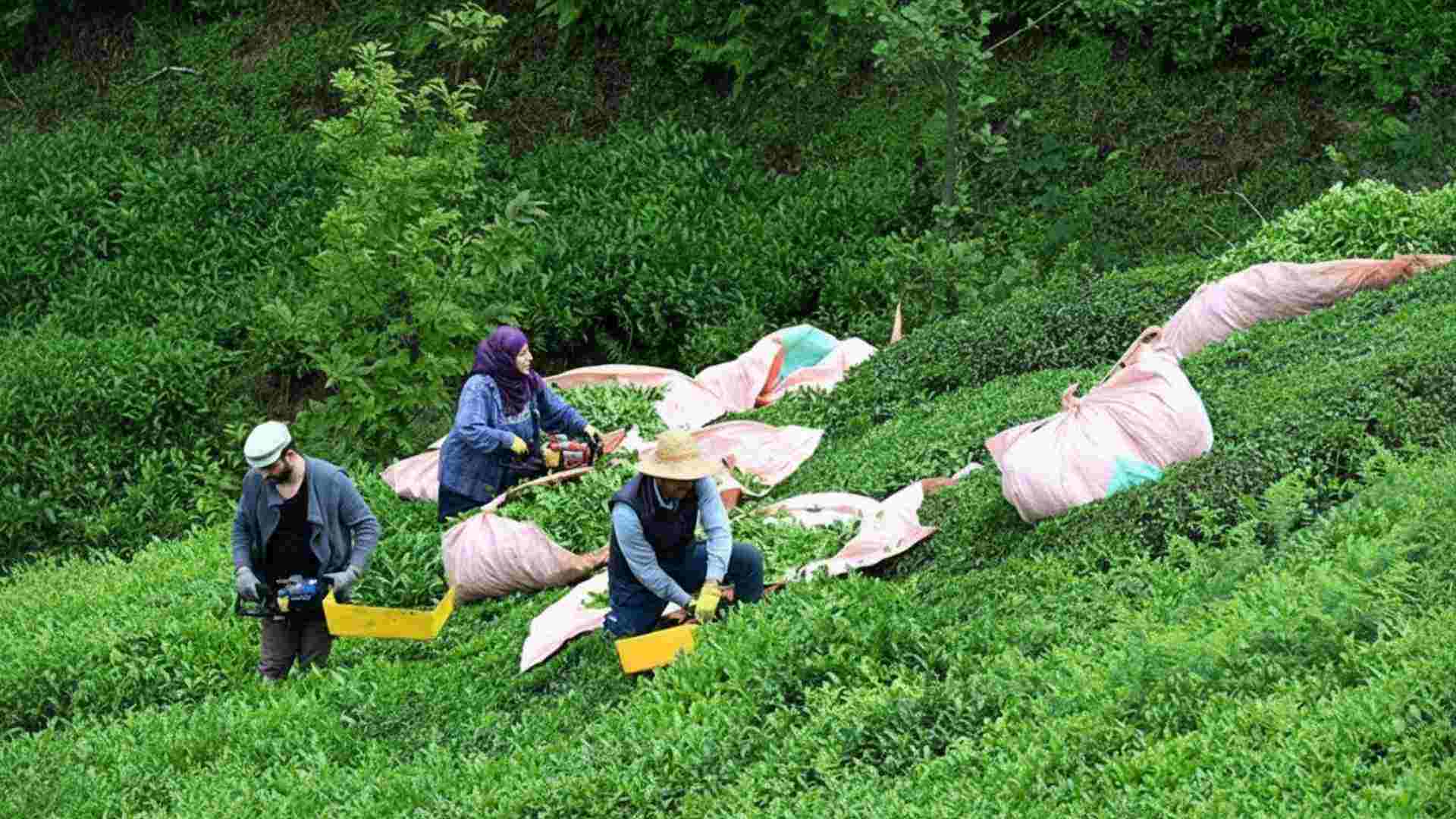
Tea production in Trabzon is concentrated along the coastal strip. The districts of Of, Sürmene, and Araklı are particularly prominent in tea cultivation. Tea plants require high humidity and regular rainfall, which Trabzon's climate naturally provides. Tea harvesting usually begins in May, with several shoots harvested throughout the season. Tea is one of the most stable sources of income for the region's economy.
Corn is an important crop, especially in rural areas. Cornmeal is a staple ingredient in the local cuisine, used in dishes like kuymak (corn porridge) and cornbread. Kale, beans, and potatoes are also commonly grown, both for commercial and family consumption.
Persimmon is also an important fruit. The production of dried persimmon has increased. Fresh persimmons are dried to extend their shelf life and create a value-added product. The drying process intensifies the sugar content of the fruit and offers a natural sweet alternative. This product is popular both in the local market and in surrounding provinces. Honey production is also indirectly linked to plant production. The rich vegetation supports beekeeping, and Trabzon honey stands out with its natural composition.
What fruits are grown in Trabzon?
Fruit production in Trabzon is diverse. Kiwi is one of the products that has shown the most growth in recent years. Humid air and mild temperatures support kiwi's development. The Yomra and Arsin regions stand out in production. Kiwi is a fruit in demand both for domestic consumption and for export.
Classic fruits like apples and pears grow particularly well at higher altitudes. The difference in altitude positively affects the aroma and sugar balance of the fruits. Cherries and plums are also harvested during the summer months. These fruits are generally grown in small-scale orchards.
Persimmons are consumed both fresh and dried. Dried persimmons are prepared using traditional methods. Additionally, small fruits like blackberries, raspberries, and blueberries grow naturally. These fruits are used in the production of jams and marmalades. The variety of fruits is a result of Trabzon's microclimate areas. Different types of fruit can be grown at different altitudes within the same province.
Greenhouse Farming and Next-Generation Agricultural Products in Trabzon
Greenhouse farming has increased in recent years. Thanks to covered production, tomatoes, cucumbers, and peppers can be grown year-round. This method reduces seasonal risks and ensures product continuity.
Organic farming practices are becoming widespread in small family businesses. The limited use of chemicals preserves the natural characteristics of the products. This provides an advantage in terms of branding.
Medicinal and aromatic plants also hold potential. Sage, thyme, and various medicinal herbs can be utilized in both the domestic and commercial markets. High humidity and clean air improve the quality of these plants. Modern irrigation systems, soil analysis, and the use of certified seedlings increase productivity. Thanks to new generation agricultural practices, the quality standard in production is increasing.
The Contribution of Trabzon Agriculture to the Economy and its Export Potential
In Trabzon, the agricultural sector is the primary source of rural employment. Hazelnut and Trabzon tea production account for a significant share of export revenues. These two products are the driving force of the region's economy.
Value-added products such as kiwi and dried persimmons provide income diversification. Marketing processed and packaged products can increase producer income. Cooperativization and brand building efforts are important. Soil conservation, conscious fertilization, and proper planning are necessary for the sustainability of agriculture. Trabzon's climate and geographical features, when managed correctly, can transform the region into a strong agricultural center in the long term.


Comments
Write the first comment.