

The frequent occurrence of fog in Trabzon is not due to a single cause. The city's geographical location, its proximity to the Black Sea, differences in altitude, and consistently high humidity throughout the year all contribute to this phenomenon. Trabzon's climate is characterized by intense interaction between sea and land, creating favorable conditions for fog formation.
Fog forms when water vapor in the air condenses into small droplets. In Trabzon, the conditions that trigger this condensation are present for much of the year. Increased temperature differences, especially in the mornings and evenings, cause fog to recur frequently. Therefore, fog is not an exceptional weather phenomenon in Trabzon, but rather a natural part of the climate.
How does Trabzon's geographical structure trigger fog formation?
Trabzon's geographical features play a decisive role in fog formation. The city stretches along the Black Sea coast, but immediately after the coastline, it has a mountainous topography that rises rapidly. This topography, rising a short distance from sea level, makes it difficult for air to disperse freely, leading to the concentration of humid air in certain areas.
Moisture-laden air coming from the Black Sea is forced to rise when it encounters the mountains running parallel to the coast. During this ascent, the air cools, and the water vapor within it condenses, forming fog. This phenomenon is particularly pronounced in valleys and areas near slopes. Narrow valleys restrict the horizontal movement of air, causing the fog to remain for extended periods without dissipating.
The fact that a significant portion of Trabzon's settlements are built on slopes increases the likelihood of fog being felt throughout the city. Fog starting from the coast can quickly move inland. Thanks to this geographical structure, the fog is not limited to the coastal strip but affects a wide area.
How do humidity and sea influence increase fog in Trabzon?
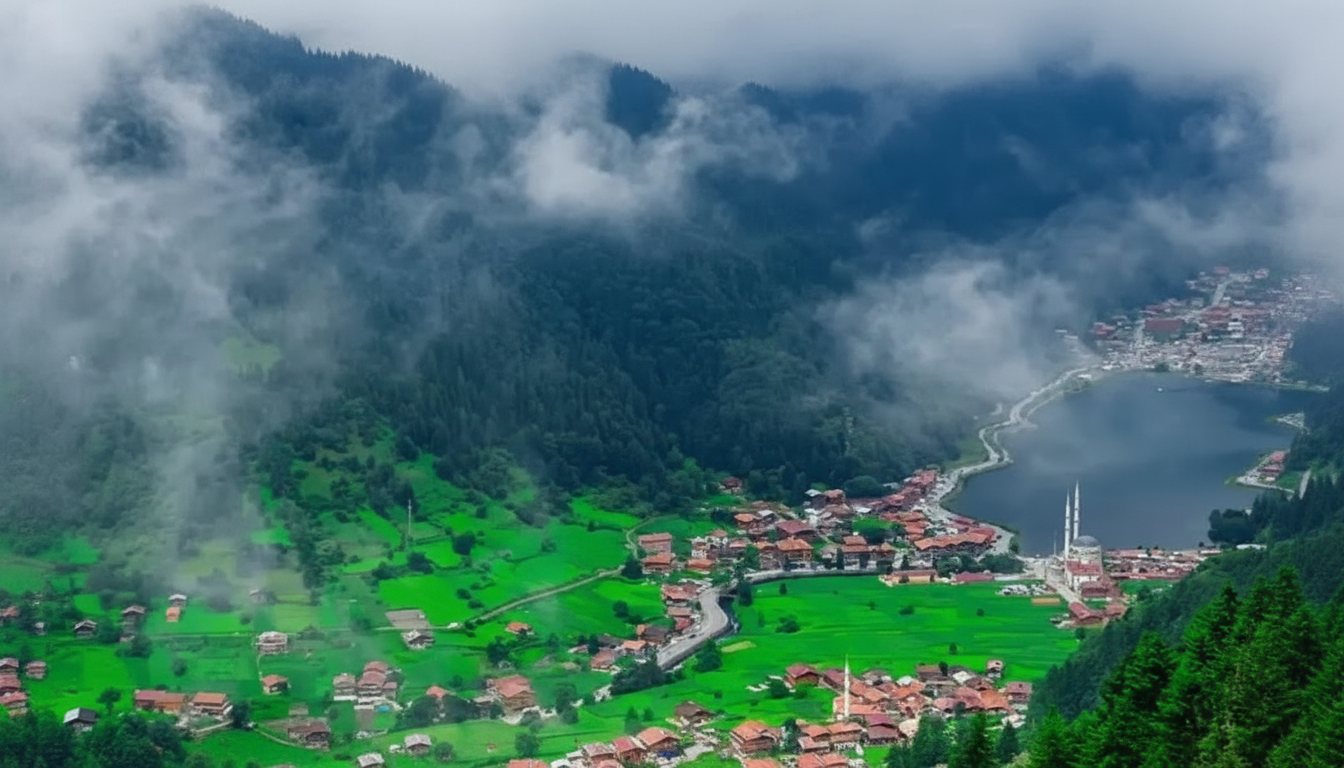
Trabzon's climate is characterized by high humidity throughout the year. The Black Sea being an enclosed sea causes intense evaporation and consistently high levels of moisture in the air. Humidity is a key component of fog formation, and this condition is present in Trabzon in almost every season.
Moist air rising from the sea surface condenses rapidly when it encounters cooler air over land, especially in the early morning hours. This condensation leads to the formation of a fog layer. As the temperature difference between the sea and land becomes more pronounced, fog formation also becomes easier.
On days with weak winds, moist air from the sea can linger over the city for a long time. These stagnant air conditions delay the dissipation of fog. This is the main reason why fog tends to persist, especially in coastal neighborhoods and low-lying areas.
The high number of rainy days in Trabzon also contributes to fog formation. Moisture remaining in the air after rain condenses into fog as nighttime temperatures drop. Therefore, foggy mornings following rainy days are common in Trabzon.
When is fog most dense in Trabzon, depending on the season?
Fog can be seen in Trabzon at any time of year, but its density varies depending on the season. Spring and autumn are the months when fog is most frequent and dense. During these months, the difference between daytime and nighttime temperatures increases, and this difference facilitates fog formation.
In autumn, sea surface temperatures remain high for extended periods. However, nighttime air temperatures begin to drop. This causes the moist air from the sea to cool rapidly and condense. Therefore, fog is quite dense on autumn mornings.
In spring, because the soil and air are not yet warm enough, the moist air coming from the sea tends to condense again. In winter, fog is more common in inland areas and high-altitude regions. Cold air increases fog formation by condensing the moist air.
In summer, fog is usually short-lived and mostly confined to the early morning hours. As the sun rises, the air warms rapidly and the fog dissipates. However, due to the high humidity from the sea, fog can occasionally appear even in summer.
What are the effects of fog on daily life in Trabzon?
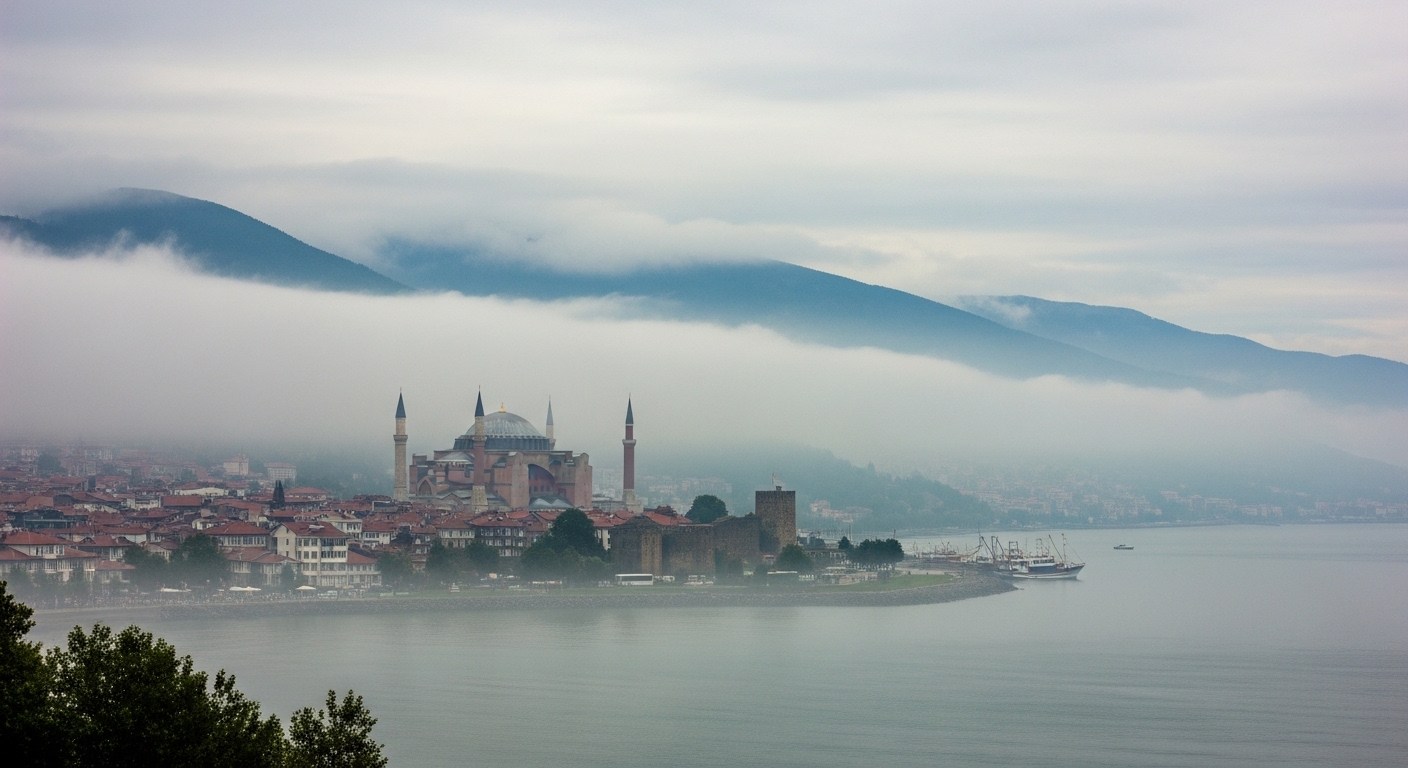
In Trabzon, fog has a direct impact on daily life. The most noticeable effect is seen in transportation. Reduced visibility can lead to slowdowns and sometimes disruptions in road traffic. Fog directly affects driving safety, especially on coastal and hillside roads.
Air travel is also affected by fog. Dense fog around airports can cause flight delays or postponements. In maritime transport, port entries and exits are more controlled in foggy weather, which slows down sea traffic.
Fog also affects the rhythm of city life. Those living in Trabzon are accustomed to foggy weather and plan their daily activities accordingly. Outdoor activities may be limited on foggy days. However, fog is considered a part of Trabzon's climate and has become a natural element synonymous with the city.
Agricultural activities are also indirectly affected by fog. While high humidity provides an advantage for some plants, it can increase the risk of disease during certain periods. Therefore, fog in Trabzon is not just a weather phenomenon, but an environmental factor affecting different aspects of life.


Comments
Write the first comment.