

When examining the history of Trabzon , it becomes clear that the city was shaped not only by its trade and port identity, but also by its early Christian structures. Among these structures, the Vazelon Monastery holds a special place both in terms of its founding date and its regional influence. Built in the rugged and forested mountainous geography of the Black Sea, this monastery functioned as a religious, economic, and cultural center from the Byzantine period to the Ottoman era. The Vazelon Monastery is considered one of the oldest examples of the monastic tradition in Trabzon and provides concrete data on the Christian history of the region. The historical importance of the structure is not limited to its architecture; archival records, frescoes, and its location provide direct information about the social structure of the period.
The Vazelon Monastery's place in Trabzon's history is noteworthy because it emerged before more well-known structures like Sümela Monastery. This suggests that Vazelon was at the center of the monastic tradition in the region. The structure was not only a place of worship but also an institutional center where education, production, and archival activities were carried out.
Where is Vazelon Monastery and why was it established in this location?
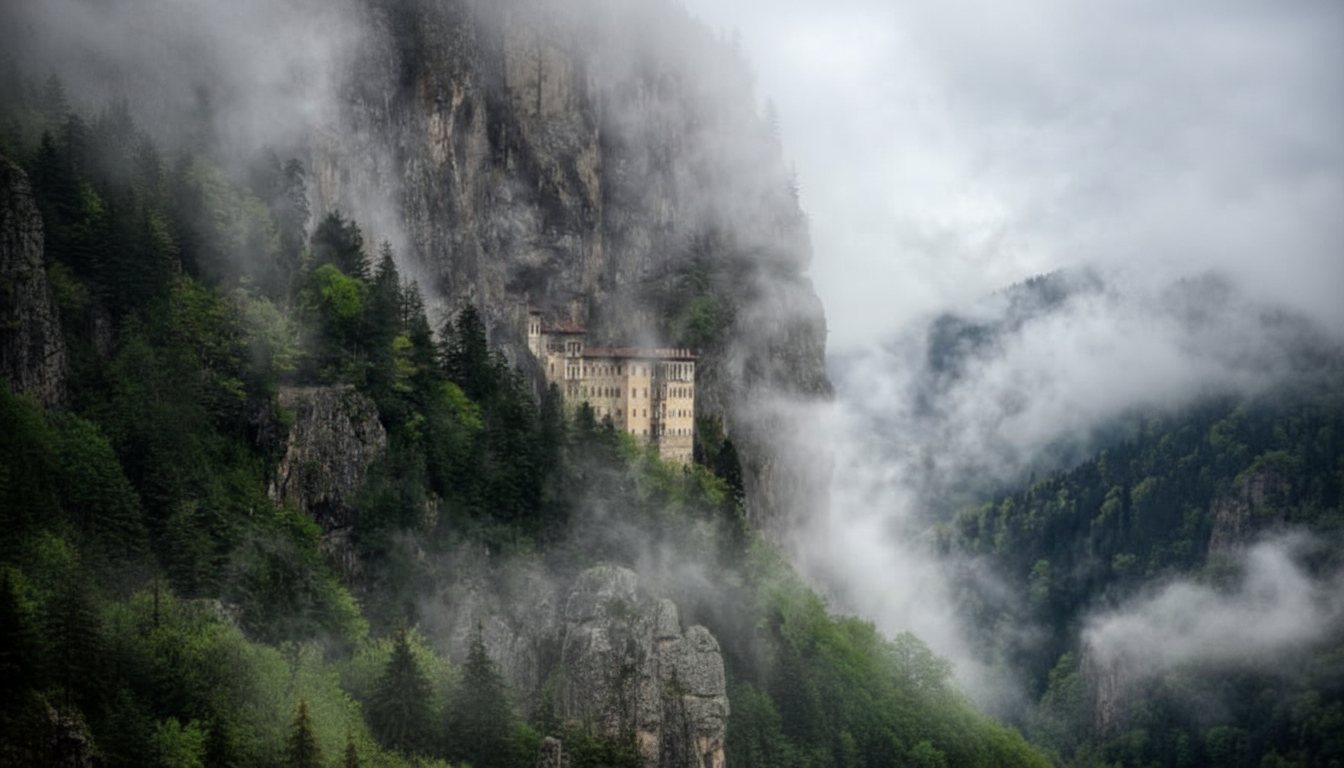
Vazelon Monastery is located in the Maçka district of Trabzon, at the foot of Mount Zabulon. Situated approximately 1200 meters above sea level, the structure is perched on a steep rocky face. This altitude was a common choice in early monastic architecture, serving both defensive and seclusive purposes. The difficult-to-access area provided the solitude and security necessary for monastic life.
The location choice was not based solely on religious reasons. The monastery's proximity to the Trabzon Port was important for economic sustainability. The region prospered thanks to port trade, and this prosperity was reflected in the religious structures. The presence of arable land around the monastery allowed the monks to establish a self-sufficient way of life.
The mountainous location of Vazelon Monastery also provides a natural defensive advantage. During times of war and rebellion, such structures were used as safe havens. This indicates that the building served not only a spiritual but also a strategic function. The question of where Vazelon Monastery is located implies not only a geographical location but also a historical choice.
The Founding of Vazelon Monastery and its Role in the Byzantine Period
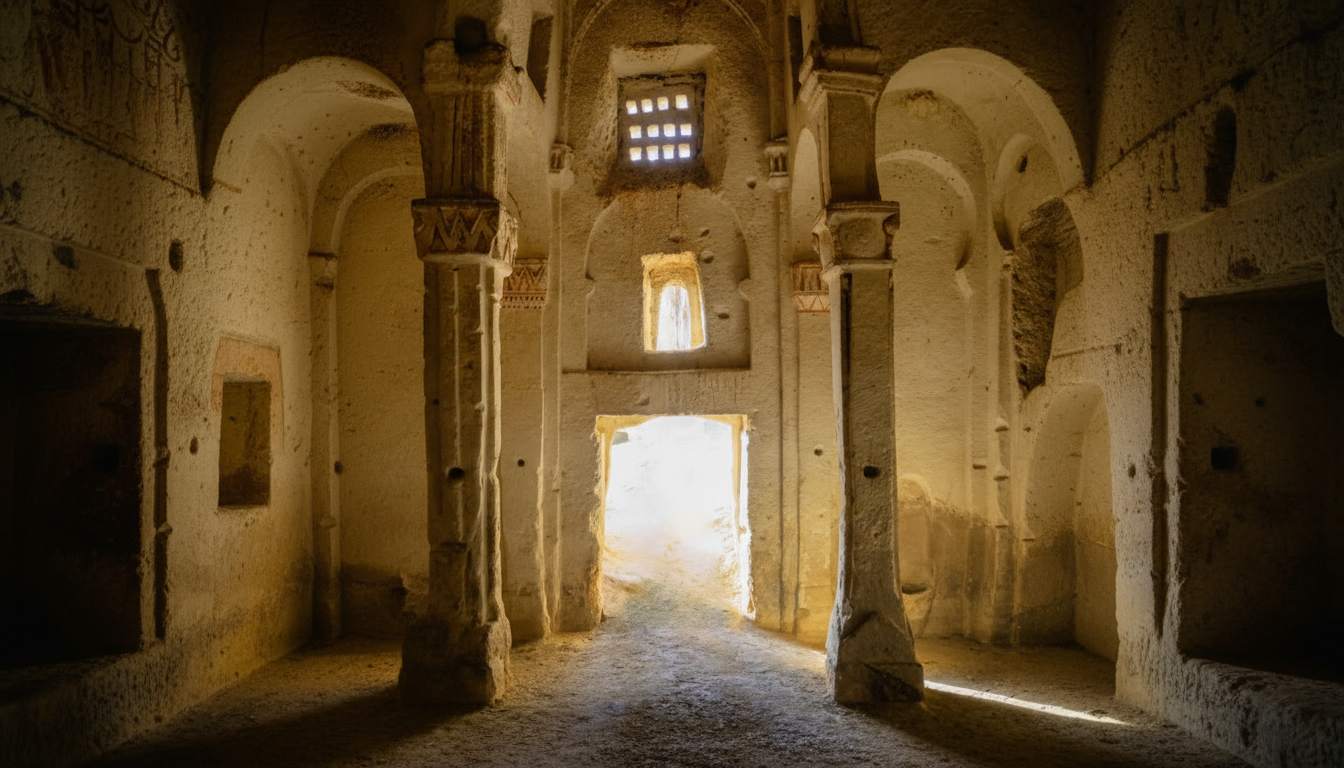
While there are differing opinions regarding the founding date of Vazelon Monastery, it is generally accepted that the structure dates back to the 4th century AD. This period coincides with the time when Christianity gained official status within the Roman Empire and the monastic movement became widespread. Its early construction makes Vazelon Monastery one of the oldest religious centers in the Black Sea region.
During the Byzantine period, the monastery functioned not only as a place of worship but also as an economic center. Archival documents indicate that the monastery owned extensive lands and collected taxes from surrounding villages. This information shows that the institution held a powerful position within the local administrative system. During the Trebizond Empire period, the monastery's political and religious influence increased, and it appears to have established close relationships with regional elites.
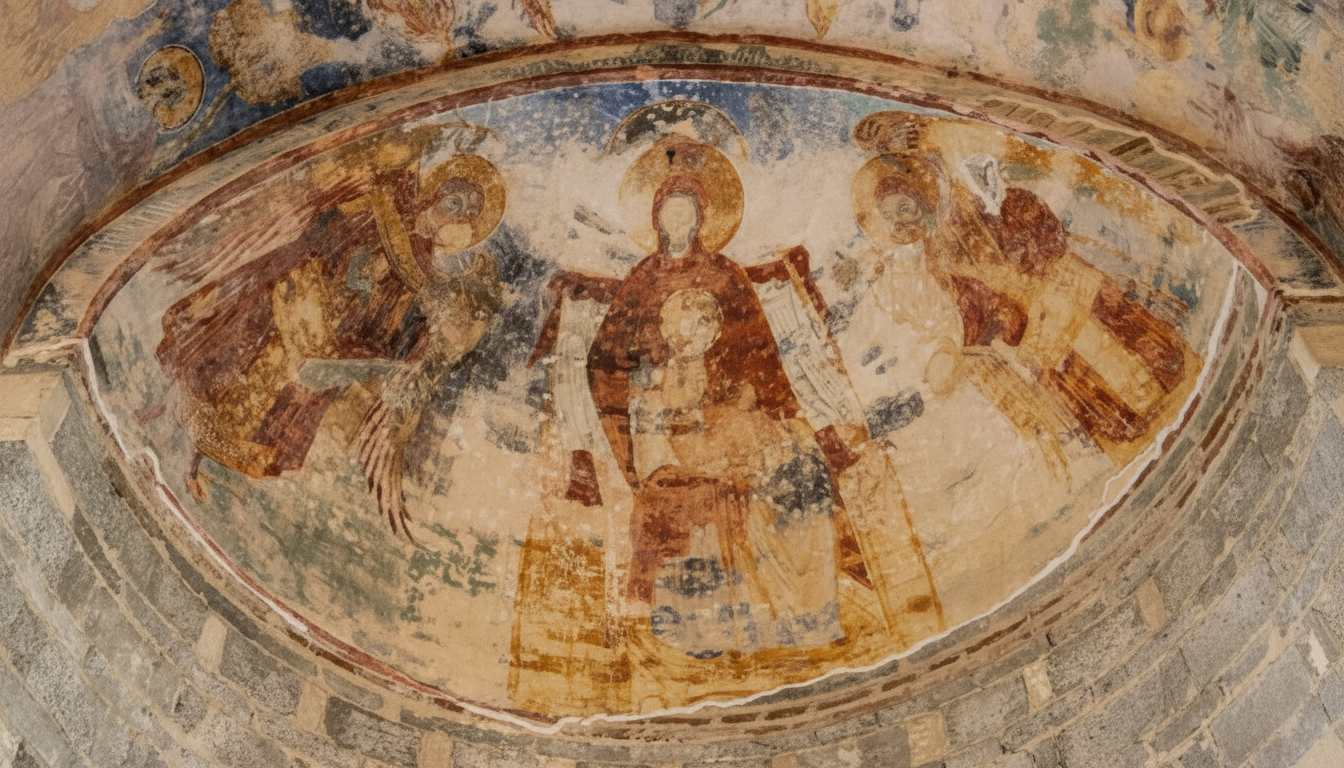
The Byzantine-era frescoes prove that the monastery was an active spiritual center. Biblical scenes, depictions of saints, and scenes of the Last Judgment reflect the theological understanding of the period. These frescoes are not only a religious narrative but also an important source from an art historical perspective. In this respect, Vazelon Monastery is one of the important representatives of Byzantine iconography in the Black Sea region.
The Story of Vazelon Monastery: Legends, Tales, and Folk Narratives
The story of Vazelon Monastery is not limited to historical documents; folklore also strengthens its cultural value. Local legends tell of the monastery being founded by a holy monk and the scene of miraculous events. While these narratives may not always coincide with official historical data, they are an important part of the collective memory.
Some accounts say the monastery had secret passages and was used as a refuge during times of war. Such narratives are symbolic interpretations of the region's turbulent past, created by the local people. The legends show that the structure was not merely made of stone and mortar; it was also a place imbued with meaning.
Another frequently recurring element in the story of Vazelon Monastery is its association with a patron saint figure. This belief reinforces the monastery's sanctity and reflects the religious perception of the local people. Thanks to folk narratives, the structure has become not only a historical relic but also a living cultural symbol.
Architectural Structure and Murals
Vazelon Monastery is a multi-part complex built into a rocky outcrop. The main church, chapels, monks' cells, and storage areas constitute the monastery's core sections. The building's plan exhibits the characteristic features of Byzantine monastic architecture and combines defensive and secluded functions.
The frescoes are among the most striking elements of the building. They depict heaven, hell, and the Last Judgment, aiming to visually convey the religious teachings of the era. Art historians, by examining the stylistic features of the frescoes, have determined that the building underwent repairs and renovations in different periods.
The stonework is done with local materials from the region, and the thick walls provide durability against harsh climatic conditions. Narrow windows serve both defensive purposes and allow for controlled lighting of the interior. The architectural structure is the product of a design concept that is both functional and symbolic.
Vazelon Monastery During and After the Ottoman Period
Following the Ottoman conquest of Trabzon in 1461, the Vazelon Monastery continued its activities to a certain extent. Ottoman archival records show that the monastery was included in the tax system and maintained its relationship with the Christian community in the region. This reveals the Ottoman administration's approach to religious structures.
In the 19th century, the monastery's economic power declined, and demographic changes in the region weakened its function. The population exchange after 1923 led to the complete abandonment of the monastery. Since then, the structure has been damaged by natural conditions and human intervention.
Today, Vazelon Monastery is a historical structure considered part of cultural heritage. While restoration and conservation efforts are underway, comprehensive projects are needed for its complete preservation. Holding a significant place in Trabzon's history, Vazelon Monastery is not merely a religious building; it is a tangible representation of the region's multifaceted past.


Comments
Write the first comment.