

Akçaabat meatballs, a special dish among Trabzon's famous regional specialties , are not just a meat dish but also a powerful flavor reflecting the region's culinary culture. While they may appear as simple meatballs from the outside, the right meat selection, preparation process, and cooking technique are crucial for achieving the desired result. Therefore, Akçaabat meatballs have a special recipe that requires adherence to specific rules.
The quality of the meat used is one of the key factors determining the flavor of Akçaabat meatballs. A specific fat content in the beef prevents the meatballs from drying out during cooking. The duration and method of kneading directly affect the texture of the meatballs, while the resting phase helps loosen the fiber structure of the meat. The heat applied during cooking and the length of time the meatballs are in contact with the fire ensure that the inner texture remains juicy and the outer surface browns evenly. When these elements come together, Akçaabat meatballs retain their unique tender texture and natural meat flavor.
How to Make Akçaabat Meatballs?
The answer to the question of how to make Akçaabat meatballs lies in a different preparation approach than classic meatball recipes. The aim in this type of meatball is not to create flavor with spices or added ingredients, but to highlight the natural flavor of the meat. Therefore, the preparation process is kept simple, and the proportions of the ingredients used are determined with great precision. Processes that could alter the structure of the meat are particularly avoided.
The ground meat used in the preparation stage is obtained from single-ground beef that has been trimmed of tendons. The fat content of the meat should be balanced; too lean meat will cause the meatballs to be dry, while too fatty meat will cause them to fall apart during cooking. The ground meat is kneaded together with stale breadcrumbs and salt. The kneading time is critical at this stage, and care should be taken to avoid excessive tearing of the meat fibers.
After the kneading process is complete, the meatball mixture is not shaped immediately. Allowing the mixture to rest for a certain period allows the fiber structure of the meat to loosen and the meatballs to better retain their shape during cooking. After resting, the mixture is pressed with the palm of the hand to form thin and wide meatballs. This shape helps the meatballs absorb heat evenly.
When it comes to cooking, the meatballs are not exposed directly to high heat. They are cooked over medium heat, preferably on a grill surface, and not turned frequently. This method allows the outer surface of the meatball to brown in a controlled manner while helping the inside remain juicy. When the correct preparation and cooking steps come together, Akçaabat meatballs retain their unique soft texture and intense meat flavor.
Ingredients for Akçaabat Meatball Recipe
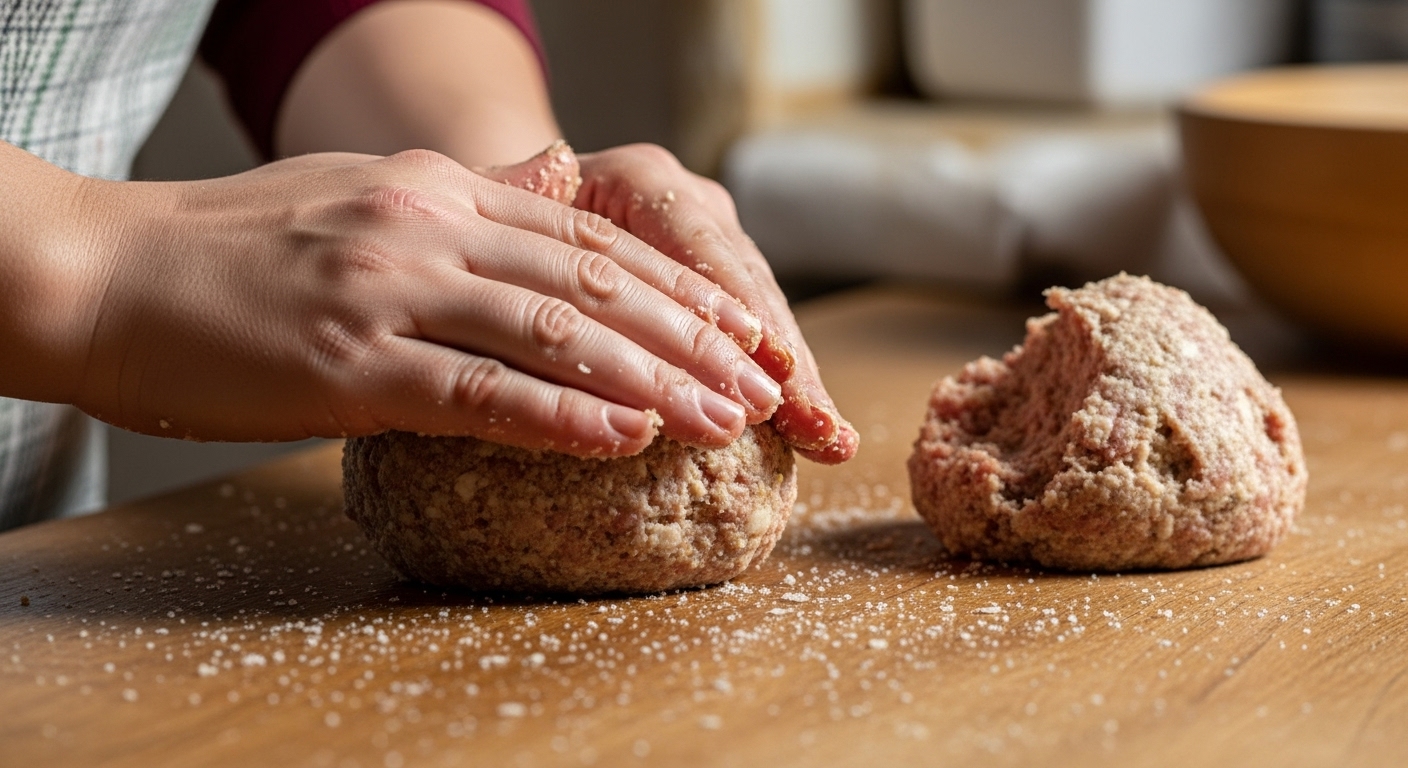
The original Akçaabat meatball recipe consists of very few ingredients. Each ingredient used directly affects the texture and flavor of the meatballs. Therefore, no alternatives are allowed in ingredient selection, and the traditional recipe is strictly adhered to.
The basic ingredients include beef , stale breadcrumbs , and salt . Ingredients like onions, garlic, eggs , or spices are not used in the original recipe. The stale breadcrumbs help retain the meat's juices, giving the meatballs a softer texture. The simplicity of the ingredient list makes the quality of the meat even more important.
Cooking Suggestions for Akçaabat Meatball Recipe
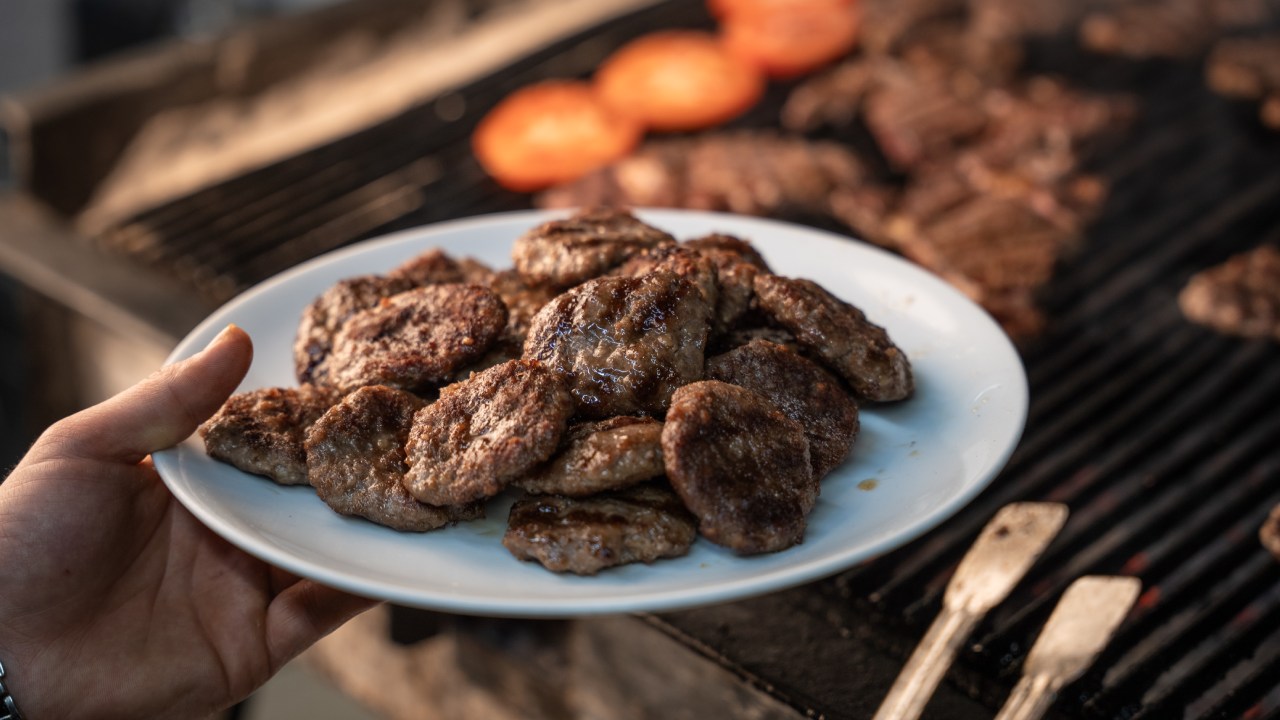 The way Akçaabat meatballs are cooked plays a crucial role in revealing their flavor. Traditionally, they are cooked over a charcoal fire. Charcoal fire ensures that the outer surface of the meatballs browns evenly and quickly, while helping to preserve the moisture inside the meat. Avoid direct and uncontrolled contact of heat with the meatballs; avoid direct and uncontrolled contact with the flames.
If cooking at home, a cast iron pan or grill surface should be preferred. The cooking surface should be preheated, but not excessively hot. The meatballs should be cooked at medium heat, without being turned or pressed down on frequently during cooking. This prevents the meatballs from losing their juices and ensures the desired texture is achieved.
After the cooking process is complete, the meatballs need to rest for a short time. This resting period helps balance the water within the meat and prevents the meatballs from releasing their juices when cut or consumed. When the correct cooking and resting steps are combined, Akçaabat meatballs retain their unique juicy texture and intense meat flavor.
Serving Suggestions for Akçaabat Meatball Recipe
Serving Akçaabat meatballs is an important step that complements the character of the dish. In the traditional presentation, the meatballs are served on a simple plate, usually accompanied by piyaz (onion salad), roasted peppers, and tomatoes. This simple presentation allows the flavor of the meatballs to stand out.
Bread choice is also important in terms of serving. In Trabzon cuisine, regional breads are generally preferred alongside meatballs. Sauces or heavily spiced accompaniments are not used during serving. The aim is to enhance the natural taste of the meatballs without overpowering it. This approach forms the basis of the Trabzon Akçaabat meatball tradition.
What kind of meat is used to make Akçaabat meatballs?
The type of meat used in Akçaabat meatballs is the key determinant of their flavor. The traditional recipe prefers beef, and the meat is expected to have a specific fat content. Using very lean meat will result in dry meatballs, while using very fatty meat will cause them to lose their shape during cooking.
It's also important that the meat is free of tendons and fresh. The mincing process should be done in one go, so that the fiber structure of the meat is not excessively damaged. These details ensure that the meatballs don't fall apart during cooking and have a balanced texture. The tender texture that comes to mind when you think of Trabzon meatballs is achieved with the right meat selection.
The History of Akçaabat Meatballs: The Birth of a Regional Delicacy
The history of Akçaabat meatballs is directly related to the social and economic structure of the region. Akçaabat district has historically been a settlement where animal husbandry was widespread. The easy accessibility of meat led to the development of meat-based dishes in daily cuisine, and preparation methods similar to meatballs gradually became a local culinary habit. In this process, meatballs began to move from being a dish consumed in home kitchens to being consumed outside the home.
The small restaurants that opened in Akçaabat during the early years of the Republic played a significant role in shaping the meatballs in their present form. The simple preparation of the meat, its shaping to a specific thickness, and its grilling gradually became standard practice. This standardization allowed Akçaabat meatballs to distinguish themselves from other types of meatballs and acquire their own unique identity.
When examining the history of Akçaabat meatballs, it becomes clear that this delicacy is more than just a dish. For the people of the region, Akçaabat meatballs have become an integral part of daily life, the culture of tradesmen, and the tradition of hospitality. Over time, this recipe, synonymous with the region, has been preserved and passed down from generation to generation, reaching the present day as a local treasure known by the name Akçaabat.
How Did Akçaabat Meatballs Become Famous? The Road from Trabzon to the Whole of Türkiye
The rise of Akçaabat meatballs is primarily a process that began in Trabzon and its surrounding areas. Restaurants in the region ensured the recognition of this dish by serving it to a certain standard. Travelers trying these meatballs contributed to the rapid spread of its fame.
Over time, Akçaabat meatballs have spread beyond the borders of Trabzon and become a well-known delicacy throughout Turkey. Although meatballs sold under this name can be found in many cities today, the source of the authentic taste is still considered to be Akçaabat. This journey is an important example of how a regional recipe, when properly preserved, can be transformed into a national treasure.


Comments
Write the first comment.